
Beginner Driver Education · Rules of the Road
Understanding Traffic Control Devices in Ontario
Driviology Road Safety Education Team
What this actually means for you
Rules like this are not trivia for the written test. They decide what you do in the two or three seconds when there is no time to think. Traffic signs are in place to provide information on how to proceed with the road and its conditions. Learn it as a habit now, not as a fact to recall, because at a real intersection there is only time for the habit.
Traffic Control Devices | Rules of the Road in Ontario
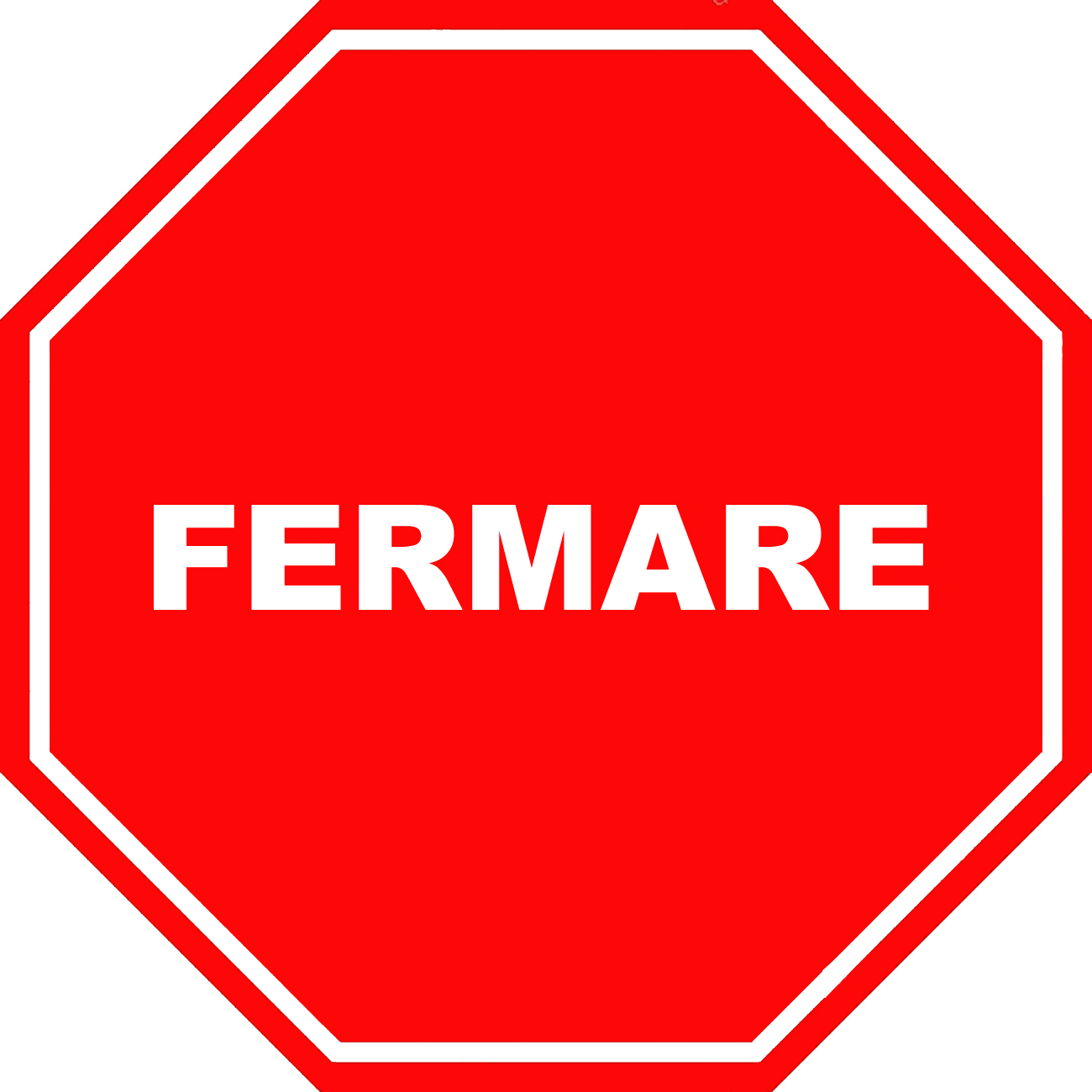
Traffic signs are in place to provide information on how to proceed with the road and its conditions. They also inform individuals of what to expect and, in some instances, remind them of the law. Traffic signs come in different symbols, colours, and shapes for easy identification regardless of the sign’s words in other languages.
A knowledgeable driver must understand traffic signs and road markings before any attempt to drive on a public road. The driver may see several different types of Signs on Ontario roads. This individual must understand these signs and respond accordingly.
Colours Communicate Meaning
The colours on signs or traffic control devices play a significant role in communicating information regardless of their shape, words, graphics and language.
Summary of ten colours designated to convey traffic control information:
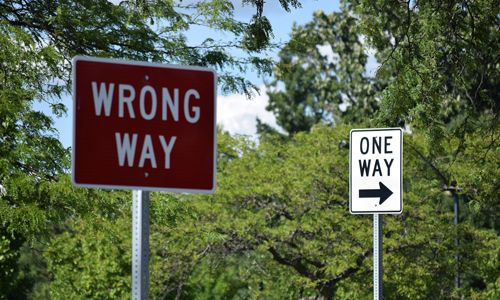
Red
Stop or prohibition.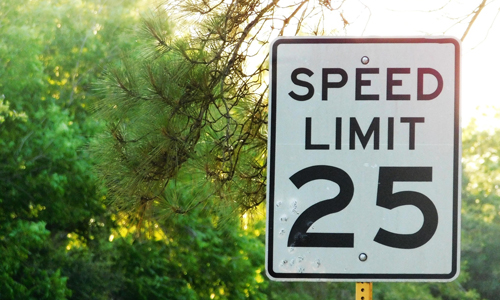
Black & White
Regulatory information.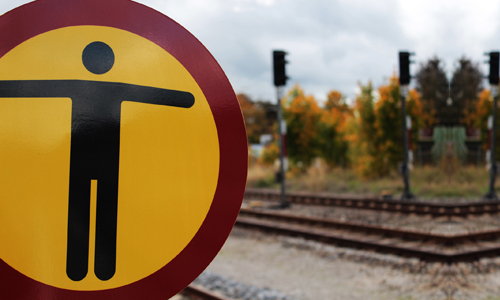
Yellow
General warning/caution.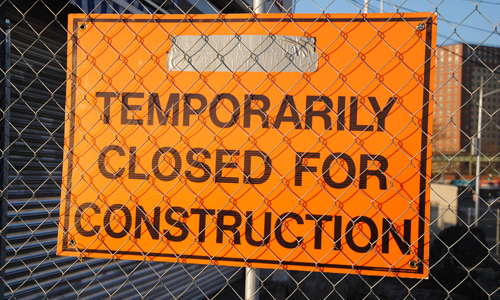
Orange
Temporary work zone.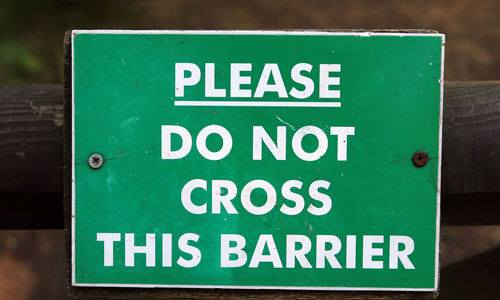
Green
Directional guidance indicates movement is permitted.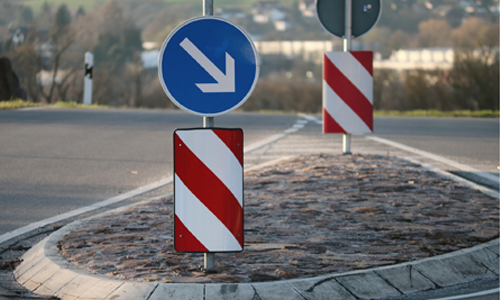
Blue
Motorist services guidance.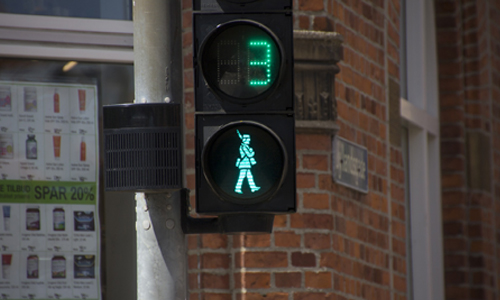
Fluorescent yellow-green
Warning.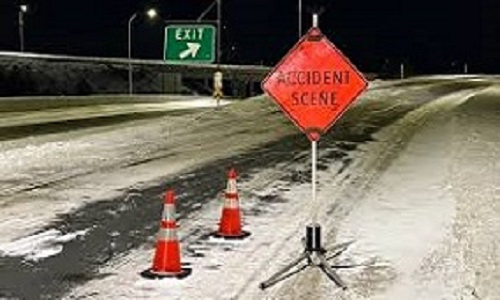
Fluorescent pink
Incident management.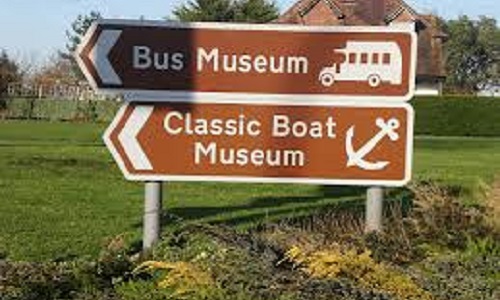
Brown
Recreational and cultural interest guidance.Using this on Ontario roads — and on your road test
This is not just written-test material. The same rules are scored live on your G2 and G road tests, and most of them come up in the first five minutes: stops, turns, lane use, and right-of-way at ordinary intersections. In the GTA you will meet the full set quickly — HOV lanes on the 401 and QEW, reserved streetcar and bus lanes downtown, school zones with reduced limits, and construction signage that changes a road week to week. Learn the rule as a behaviour, not a definition, and it will still be working for you years after the test.
Questions drivers ask us
Can you explain traffic control devices in Ontario in simple terms?
A knowledgeable driver must understand traffic signs and road markings before any attempt to drive on a public road.
What should new drivers know about colours communicate meaning?
The colours on signs or traffic control devices play a significant role in communicating information regardless of their shape, words, graphics and language.
Do I need to know this for the G1 written test too?
Yes — this is core G1 knowledge, and it is tested again in real life on the G2 and G road tests. The written test checks that you know the rule; the road test checks that you actually do it when nobody is prompting you.