
Beginner Driver Education · Driver Behaviour
Understanding Different Conditions Affecting Driving for Safety
Driviology Road Safety Education Team
What this actually means for you
Technique gets you through the test. Behaviour is what keeps you out of trouble for the fifty years after it, and this topic is a bigger part of that than most students expect. It is the responsibility of the driver to adjust their driving to accommodate different weather conditions. The good news: unlike reflexes, this is entirely within your control, starting from your very first drive.
Driving Safely: Effects of Glare and Weather on Driving Conditions
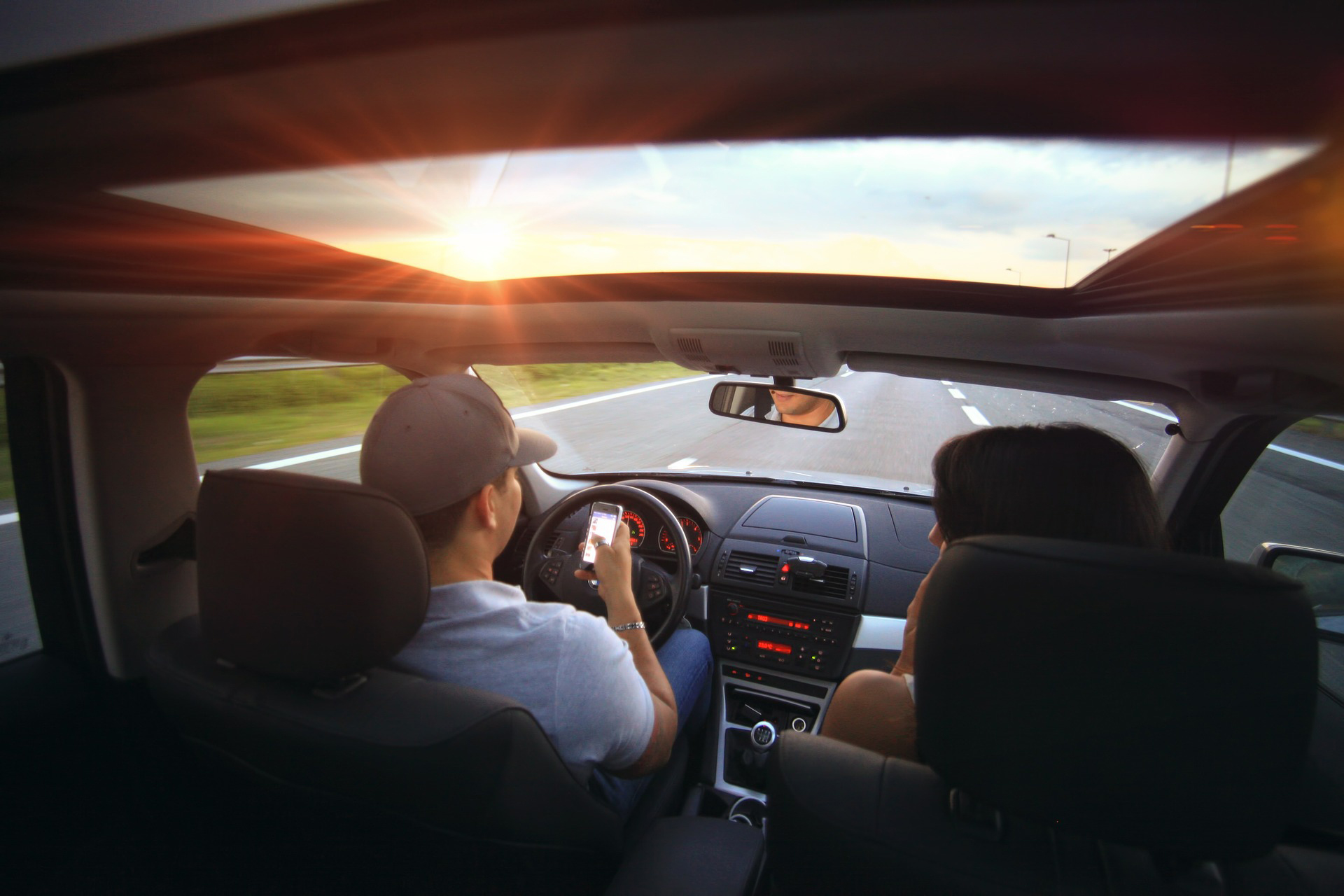
1. Glare:
- Sun Glare: Bright sunlight can make seeing the road or other road-users difficult. Use the sun visor to block the glare when possible.
- Headlights from Other Vehicles: Glare from oncoming headlights or reflections in mirrors can also impair vision.
Tips for Managing Glare:
- Dip Your Lights: Lower your headlights when approaching other vehicles. Dip your lights when within 60 meters of a car ahead or 150 meters of an oncoming vehicle.
- Adjusting to Light Changes: When exiting a tunnel, slow down to give your eyes time to adapt to the brighter light outside.
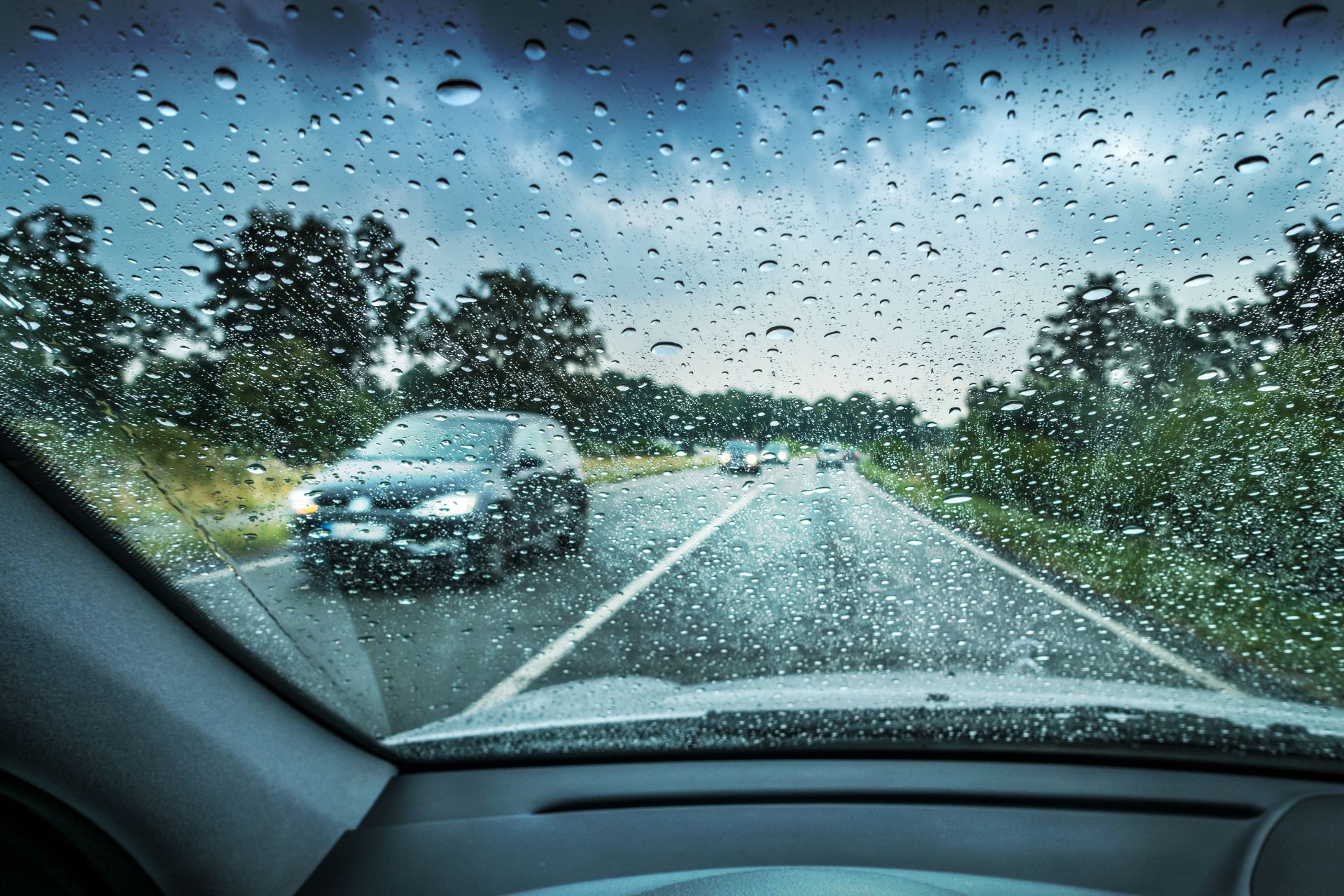
2. Weather:
It is the responsibility of the driver to adjust their driving to accommodate different weather conditions.

a. Fog:
Fog can significantly reduce visibility, making driving hazardous. Here are essential tips for driving safely in foggy conditions:
Slow Down and Increase Distance: Reduce your speed and maintain a greater distance from the vehicle in front for safer stopping distances.
Use Appropriate Lights: Use low-beam headlights or fog lights. High beams reflect off the moisture in the Fog, making it harder to see.
Avoid Lane Changes: Stay in your lane, listen, and watch for hazards. Avoid changing lanes unless necessary.
Do Not Stop on the Road: Stopping on the road can lead to rear-end collisions. If visibility is too poor, find a safe place to pull off the road and turn on your low-beam headlights and emergency lights.
Use Wipers and Defrosters: Keep your windshield clear by using wipers and defrosters.
Follow Pavement Markings: Use pavement markings and the right edge of the road as guides rather than the center line.
Stay Alert and Adjust Speed: Pay attention to the road and adjust your speed to match the driving conditions.
Avoid Overtaking: Do not overtake other vehicles. Maintain a steady speed and keep your distance.
Plan Ahead: If possible, check weather forecasts before and during your trip to avoid foggy conditions.
Emergency Protocol: If the Fog becomes too dense, leave the road and park in a safe area. Turn on your low-beam headlights and emergency lights to ensure other drivers can see you.
By following these tips, you can navigate foggy conditions more safely and reduce the risk of accidents.
Using this on Ontario roads — and on your road test
This matters most in your first year or two with a G2, when your skills are still new and your confidence is growing faster than your experience. That is exactly the combination Ontario's graduated licensing system is built around, and it is why novice drivers face escalating consequences — up to licence suspension — for the serious offences. Passengers, late-night drives, and the urge to prove something are all part of real GTA driving life; the drivers who get through those years cleanly are the ones who treated this topic as a decision they made once, in advance, rather than a judgement call they remake every Friday night.
Questions drivers ask us
Can you explain different conditions affecting driving for safety in simple terms?
Fog can significantly reduce visibility, making driving hazardous.
What is the simplest way to get this right?
Decide your standards before you get in the car, not in the moment. Most bad driving decisions are made under pressure — from passengers, from traffic, from your own mood — and a standard you set in advance is much harder to argue yourself out of.
Can my attitude really affect my road test result?
Yes. Examiners mark judgement as much as technique: the gaps you accept, the speeds you choose, how you react to other drivers' mistakes. A technically smooth driver who makes impatient decisions does not look like a safe driver, and the score sheet reflects that.