
Beginner Driver Education · Driver Behaviour
Understanding Road Conditions: Essential Driving Skills and Safety Tips
Driviology Road Safety Education Team
What this actually means for you
Nobody sits down and decides to drive badly. It happens through habits and moods, which is exactly why this topic is in the course. Drivers must be skilled and adaptable to navigate these conditions safely. Instructors can teach you the manoeuvres in a few weeks. This part you have to decide to practise yourself, every trip.
Road Conditions: Enhance Your Driving Skills and Safety
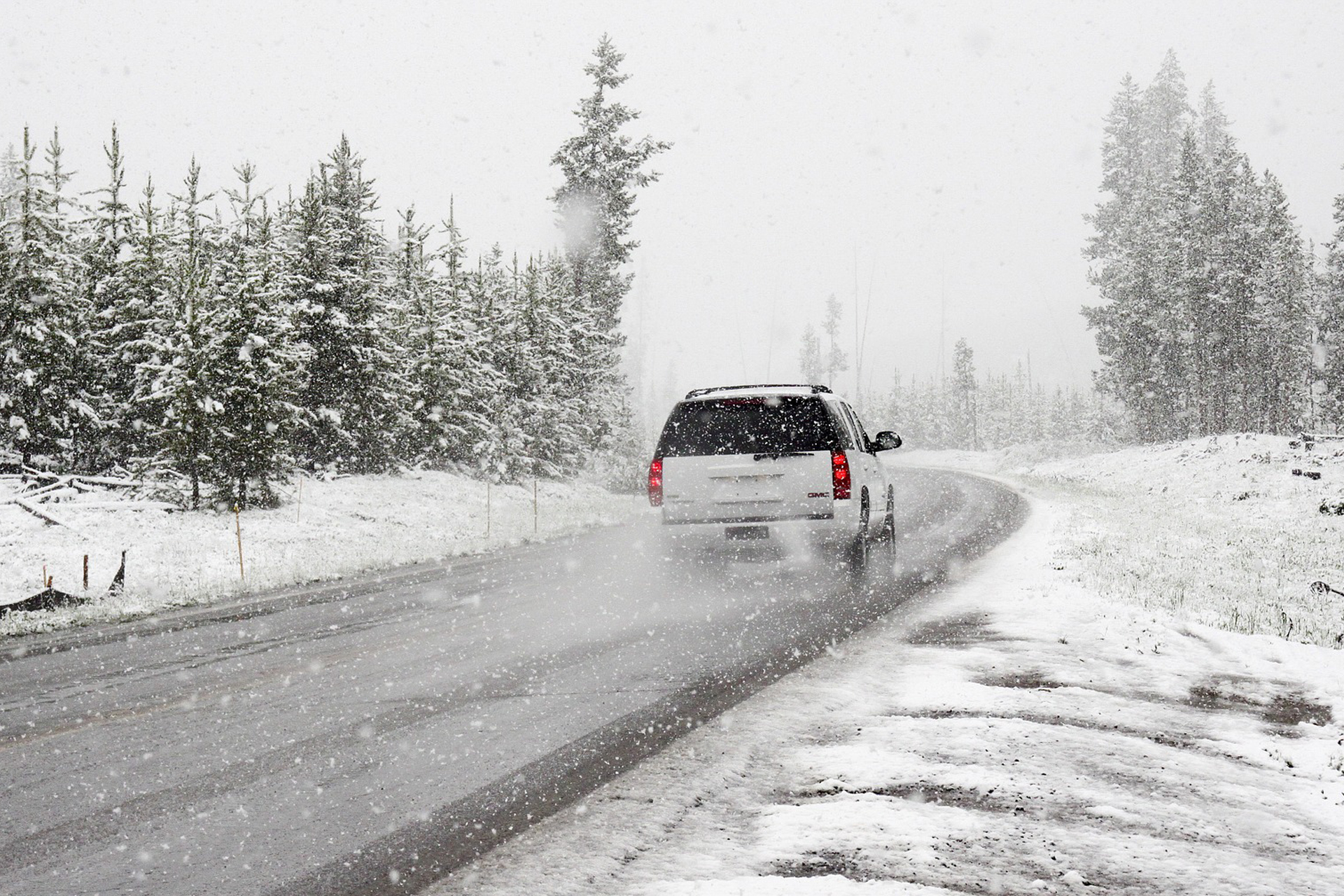
Road conditions vary significantly, from urban streets to rural routes, side streets to main roads, single-lane to multi-lane roads, and one-way streets. Drivers must be skilled and adaptable to navigate these conditions safely.
Key Skills for Drivers:
Recognize Changing Conditions: Adjust driving style for different road types, such as urban vs. rural.
Respond to Diverse Road Environments: Urban roads have more pedestrians and signals. Rural roads have fewer vehicles but more curves and potential obstacles.
Handle Various Road Types: Single-lane vs. multi-lane roads and one-way streets.
Defensive Driving: Stay alert, anticipate road conditions, adjust speed, and follow distance as needed.
Identifying and Responding to Hazards
Potential Hazards: Wet leaves, gravel, sand, mud, oil, water, and ice.
Testing Road Traction: Lightly apply brakes slowly to gauge road traction.
Proactive Measures: Slow down in hazardous areas and increase following distance.
Practical Tips for Different Conditions
Urban Roads: Prepare for frequent stops and heavy traffic and use defensive driving at intersections.
Rural Roads: Watch for wildlife and sharp turns, maintain safe speeds, and know about visibility.
Expressways: Adjust to higher speeds, maintain a safe distance, merge properly, and stay aware of fast traffic.
Single-Lane Roads: Be cautious of oncoming traffic and use turnouts to allow faster traffic to pass.
Multi-Lane Roads: Use the correct lane for your speed and signal and check blind spots before changing lanes.
One-Way Streets: Follow posted signs and arrows and be cautious at intersections.
By mastering these skills and staying vigilant, drivers can safely navigate the diverse and changing road conditions.

f. Driving in cold weather:
Driving in cold weather requires extra care due to rapidly changing road conditions and the impact of low temperatures on vehicle performance.
Road Conditions:
Variable Conditions: Prepare for dry, wet, icy, or snow-covered patches. Black ice is hazardous and challenging to see.
Vehicle Maintenance:
Tire Pressure: Cold weather lowers tire pressure. Check and maintain proper inflation frequently.
Face-Shield Fogging: Use anti-fog treatments and ensure proper ventilation to prevent visibility issues.
Safety Tips:
Adjust Speed and Distance: Reduce speed and increase following distance for better reaction time on slippery roads.
Use Winter Tires: Equip your vehicle with winter tires for better traction.
Clear Windows and Mirrors: Ensure all are free of frost, snow, and ice for maximum visibility.
Gentle Maneuvers: Avoid sudden turns, accelerations, or braking to prevent skidding.
Stay Informed: Check weather forecasts and road conditions before driving.
Carry an Emergency Kit: Include blankets, food, water, a flashlight, and extra clothing.
Check Battery Health: Ensure your battery is in good condition and fully charged.
By following these guidelines, you can drive more safely in cold weather and reduce the risk of accidents.
Using this on Ontario roads — and on your road test
Think of it in terms of what is actually at stake: your licence, your insurance rates for years, and other people's safety — none of which a passenger egging you on will ever share with you. Instructors see the pattern every season: strong students with good car control whose results, and sometimes whose records, are decided by attitude instead. On the road test it shows up as judgement — the gaps you accept, the yellows you chase, the space you leave. Examiners are marking the driver they would trust alone in a car, and that is mostly this.
Questions drivers ask us
Can you explain road conditions in simple terms?
By mastering these skills and staying vigilant, drivers can safely navigate the diverse and changing road conditions.
What is the simplest way to get this right?
Decide your standards before you get in the car, not in the moment. Most bad driving decisions are made under pressure — from passengers, from traffic, from your own mood — and a standard you set in advance is much harder to argue yourself out of.
Can my attitude really affect my road test result?
Yes. Examiners mark judgement as much as technique: the gaps you accept, the speeds you choose, how you react to other drivers' mistakes. A technically smooth driver who makes impatient decisions does not look like a safe driver, and the score sheet reflects that.