
Beginner Driver Education · Perception and Risk Management
Distance Scanning for Safe Driving: Enhancing Vehicle Operator Awareness
Driviology Road Safety Education Team
What this actually means for you
Your hands and feet learn the car in a few weeks. Learning to read the road takes longer, and it starts with understanding what is on this page. Scanning includes maintaining a safe distance from other vehicles. Build it early and it becomes automatic — your eyes go to the right places before your brain has even finished noticing why.
Distance Scanning: Enhance Your Driving Safety
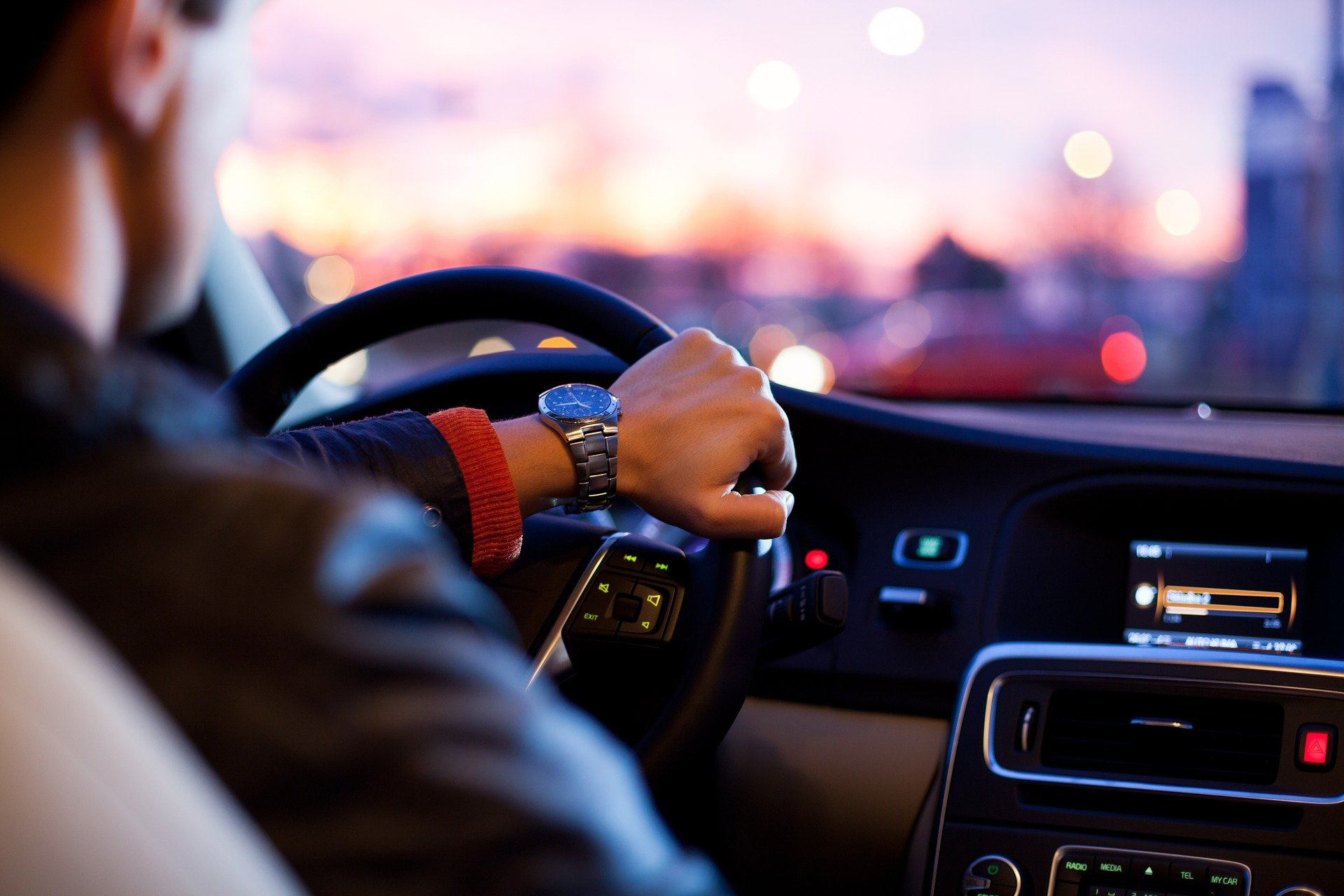
Every vehicle operator must scan the surroundings by keeping the eyes moving. Scanning includes maintaining a safe distance from other vehicles. Having enough space on all sides of the car will give them enough time to react. Another driver makes a mistake and allows them to apply brake or manoeuvre if needed.
Central vision will allow accurate representations of judgment regarding the distance on the road.
Every time the driver encounters a stop sign, they must start slowing down at the proper distance to reach the stop sign at a comfortable and safe speed.
It is only possible if the driver makes accurate distance measurements.
Speeding makes distance scanning significantly complex and inaccurate. Being impaired and distracted can also result in flawed distance scans.
Some drivers look too far ahead or concentrate on the wrong thing for too long. When approaching something on the road, the driver should scan it and other parts of the road simultaneously to interpret the distances accurately.
Using this on Ontario roads — and on your road test
Space is the physical form of this skill. A driver who keeps a proper following distance and an escape route almost never has to make a dramatic decision, because surprises arrive with time attached. On wet or icy Ontario roads that margin needs to grow, not shrink — stopping distances stretch and other drivers make mistakes you cannot predict. Build the habit of asking, every few seconds: what could go wrong here, and where would I go? That quiet question, asked constantly, is what experienced drivers are actually doing behind their calm.
Questions drivers ask us
Can you explain distance scanning for safe driving in simple terms?
Central vision will allow accurate representations of judgment regarding the distance on the road.
How do I actually get better at this?
Practise out loud. When you drive with your instructor or supervisor, say what you are seeing and what you plan to do about it: car waiting to pull out, watching it; light has been green a while, covering the brake. Commentary driving feels odd for one lesson, and then it sticks — it is how instructors build this skill.
How do examiners test this on a road test?
They watch your eyes and your timing: mirror and shoulder checks, how early you react to hazards, and whether your speed and following distance leave you room. You will not be asked theory questions — your driving is the answer.