
Beginner Driver Education · Respect and Responsibility
Proper Disposal of Vehicle Fluids, Batteries, and Tires in Canada
Driviology Road Safety Education Team
What this actually means for you
A licence is not just permission to drive. It comes with obligations to everyone else on the road, and this topic is one of them. The vehicle owner's responsibility is to dispose of vehicle-related waste like fluids, batteries, and tires as per the authorities' guidelines for being a vehicle owner. It also protects you: drivers who leave room for others and stay predictable are simply involved in fewer close calls.
Proper Disposal of Vehicle Fluids, Batteries, and Tires | Environmentally Conscious Practices
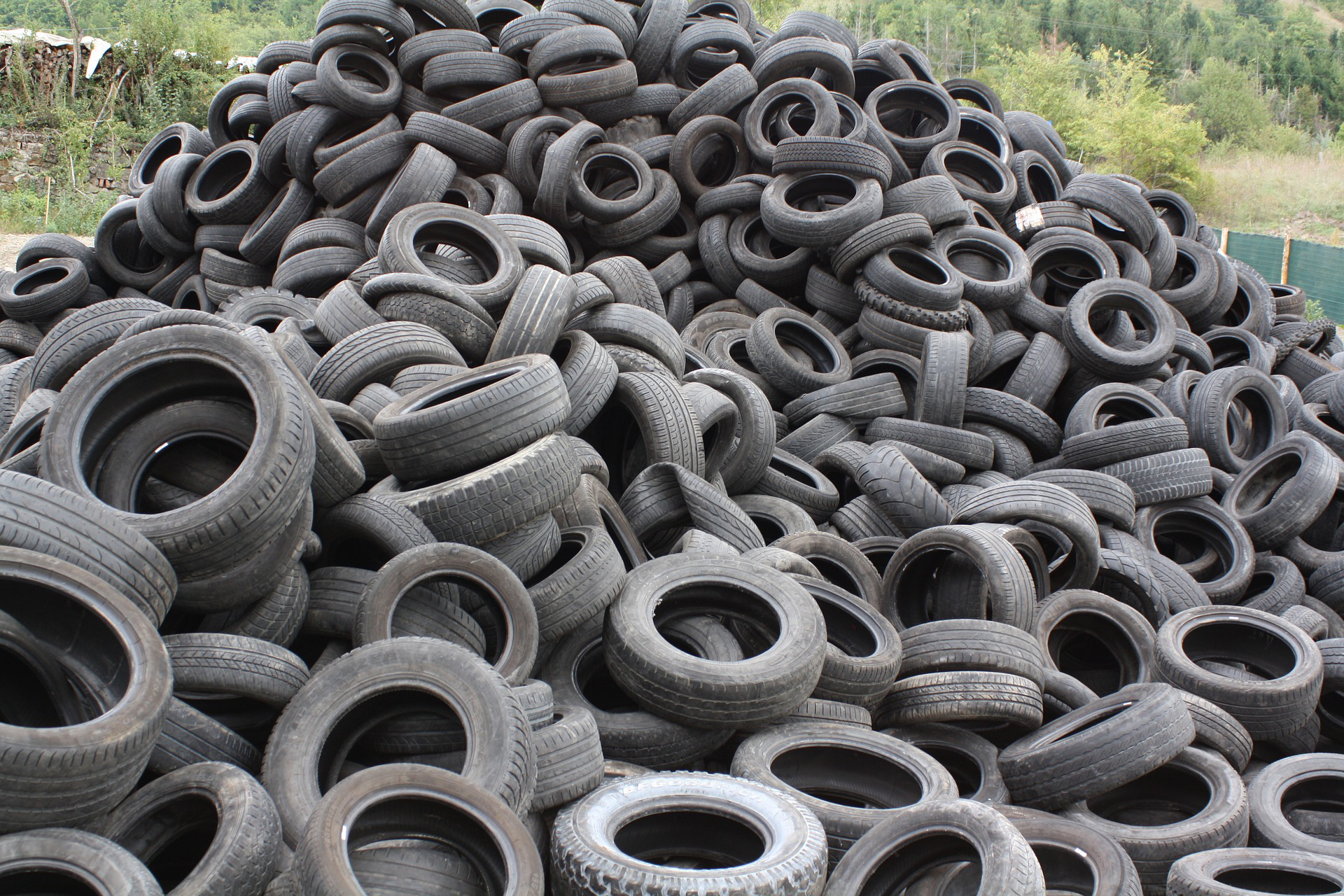
The vehicle owner's responsibility is to dispose of vehicle-related waste like fluids, batteries, and tires as per the authorities' guidelines for being a vehicle owner.
Fluids
- Local garages, most auto part stores, and recycling centres are likely to take fluids for free. Before going there, the vehicle owner can call to inquire if they will accept it.
Tires
- Many tire stores and recycling centres will take them for free. Do not dump or burn them. The vehicle owner can be fined for this.
Cars
- Vehicle owners can sell, trade, or recycle old cars with the appropriate facility.
In addition, every province has its unique vehicle waste recycling program. Visit Canadatire.ca for more information on specific areas.
Using this on Ontario roads — and on your road test
In practice this shows up in small, unglamorous moments: leaving a gap instead of closing it, waving a pedestrian through with patience instead of impatience, securing a load so nothing ends up on the 401 behind you, planning a route so you are never rushing. None of those moments appear on a road test score sheet directly — but the awareness behind them does, because examiners are really judging whether you treat the road as shared space. And it compounds: a new driver known for calm, predictable driving gets the benefit of the doubt from everyone around them, including, one day, their own passengers' parents.
Questions drivers ask us
Can you explain proper disposal of vehicle fluids, batteries, and tires in Canada in simple terms?
In addition, every province has its unique vehicle waste recycling program.
What does this look like on an ordinary drive?
Small things, done consistently: leaving a real gap, signalling early, being patient at crosswalks, and planning trips so you are never rushing. None of it is dramatic — that is the point. Other road users experience your driving as a series of these small decisions.
Does this actually affect my road test, or is it just theory?
It shows up in how you drive: courtesy, patience, proper use of space, and correct responses to school buses, emergency vehicles, and pedestrians are all things an examiner can observe and mark. Attitude becomes visible within the first few minutes.