
Beginner Driver Education · Respect and Responsibility
Being a Leader in Safety Restraint Use and Promoting It in Others
Driviology Road Safety Education Team
What this actually means for you
A licence is not just permission to drive. It comes with obligations to everyone else on the road, and this topic is one of them. It is the driver's responsibility to ensure that all passengers are wearing their seatbelts before the vehicle starts moving. It also protects you: drivers who leave room for others and stay predictable are simply involved in fewer close calls.
Leadership in Safety Restraint Use: Promoting Seatbelt Importance
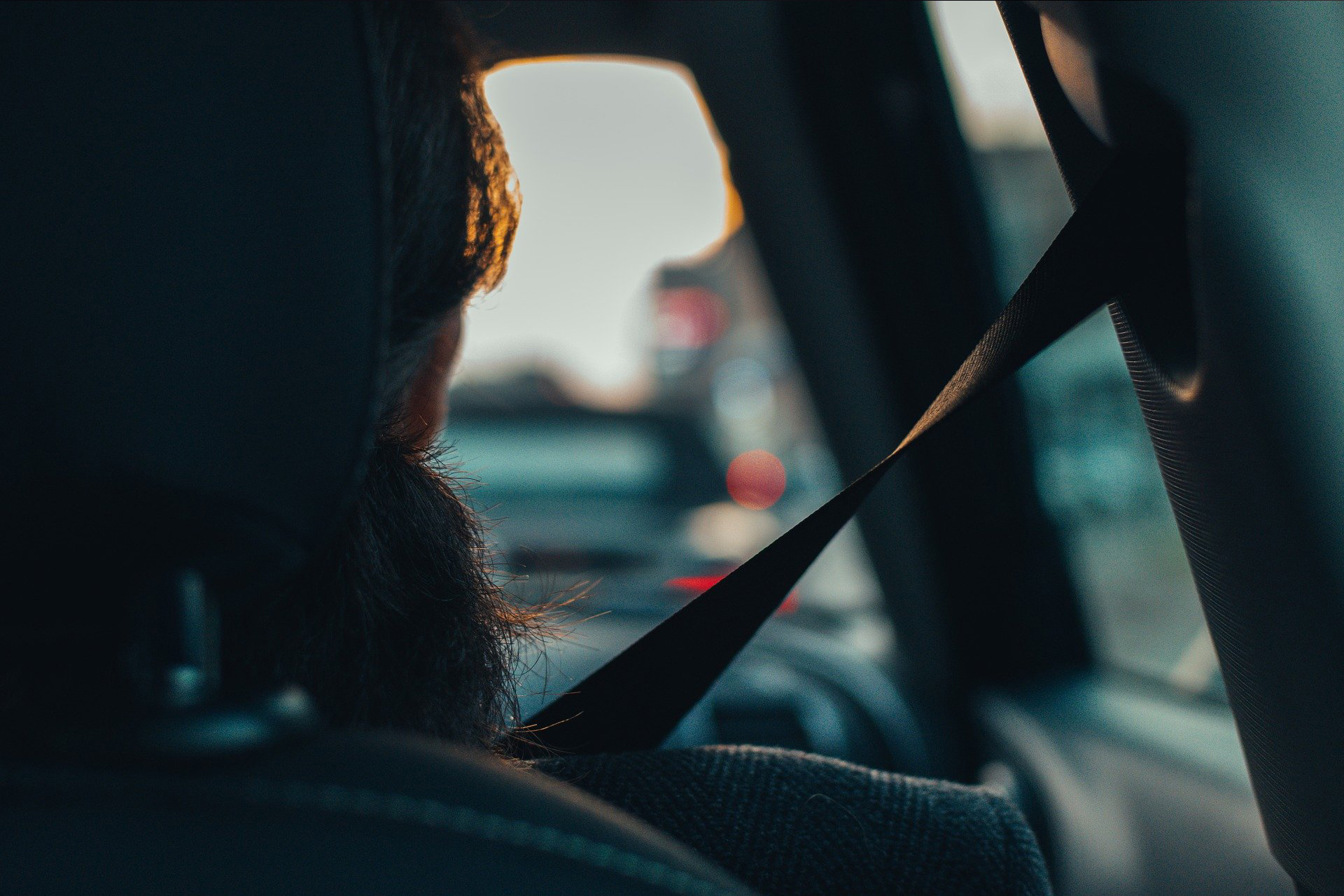
Drivers have heard this countless times and will listen to it countless more: Buckle up!
Importance of Seatbelt Use:
A responsible driver understands the critical importance of wearing a seatbelt and recognizes its effectiveness in saving lives. Seatbelts significantly reduce the risk of death in an accident by preventing occupants from being ejected from the vehicle and mitigating the impact forces.
Driver's Responsibility:
It is the driver's responsibility to ensure that all passengers are wearing their seatbelts before the vehicle starts moving. This is not just about compliance with the law but about safeguarding the lives of everyone in the car.
Legal Consequences:
Failure to wear a seatbelt can result in severe penalties. Drivers can face fines of up to $1000 and receive 2 demerit points. Additionally, drivers will be fined if passengers wear seatbelts or children under 16 are not inappropriate seats.
Misconceptions About Low-Speed Safety:
Driving slowly is not an excuse to forgo wearing a seatbelt. Even at low speeds, collisions can cause significant injuries or result in occupants being ejected from the vehicle. Seatbelts are essential for safety regardless of the speed at which you travel.
Children's Safety in Vehicles:
1 According to the Ministry of Transportation Ontario (MTO), research indicates that children under 12 are safest in the back seat of vehicles, away from active airbags.
If the back seat is unavailable, children can sit in the front seat only if:
- There is no active airbag for the front seat or
- The front airbag can be switched off.
Choosing the Right Child Safety Seat
Various child safety seats are available to protect children of different ages, heights, and weights.
These include:
Rear-Facing Seats: Suitable for infants and young toddlers.
Front-Facing Seats: Appropriate for older toddlers and young children.
Booster Seats: These are designed for older children who have outgrown front-facing seats but are not yet tall enough to use the vehicle's seatbelt alone.
Proper Installation and Use
The driver must ensure that children are strapped into the appropriate seat before driving. Proper installation and usage of these seats are crucial, as children are the most vulnerable passengers in an accident. Always follow the manufacturer's instructions and installation guidelines.
By taking these measures, drivers can lead by example in promoting safety restraint use and ensuring the well-being of all passengers. Wearing a seatbelt and using appropriate child safety seats are simple yet effective ways to protect lives on the road.
Source: 1 Ministry of Transportation Ontario (MTO - https://www.ontario.ca/page/seatbelt-safety).
Using this on Ontario roads — and on your road test
In practice this shows up in small, unglamorous moments: leaving a gap instead of closing it, waving a pedestrian through with patience instead of impatience, securing a load so nothing ends up on the 401 behind you, planning a route so you are never rushing. None of those moments appear on a road test score sheet directly — but the awareness behind them does, because examiners are really judging whether you treat the road as shared space. And it compounds: a new driver known for calm, predictable driving gets the benefit of the doubt from everyone around them, including, one day, their own passengers' parents.
Questions drivers ask us
Can you explain being a leader in safety restraint use in simple terms?
Even at low speeds, collisions can cause significant injuries or result in occupants being ejected from the vehicle.
Why is seatbelt use important?
A responsible driver understands the critical importance of wearing a seatbelt and recognizes its effectiveness in saving lives.
Does this actually affect my road test, or is it just theory?
It shows up in how you drive: courtesy, patience, proper use of space, and correct responses to school buses, emergency vehicles, and pedestrians are all things an examiner can observe and mark. Attitude becomes visible within the first few minutes.
What should new drivers know about driver's responsibility?
This is not just about compliance with the law but about safeguarding the lives of everyone in the car.