
Beginner Driver Education · Vehicle Handling
Understanding the Impact of Road Surfaces on Vehicle Stopping Distance
Driviology Road Safety Education Team
What this actually means for you
Your brakes are only half of the stopping story. The other half is the surface under your tires.
Effect of Road Surfaces on Stopping Distance | Safe Driving in Ontario
Road surfaces can significantly impact stopping distance when driving in Ontario. Different road surfaces have various levels of traction, which can affect a vehicle's ability to control quickly. Drivers must be aware of the other road surfaces they may encounter and how they can affect stopping distance.
Different road surfaces can significantly affect a vehicle's stopping distance. Here are some examples:
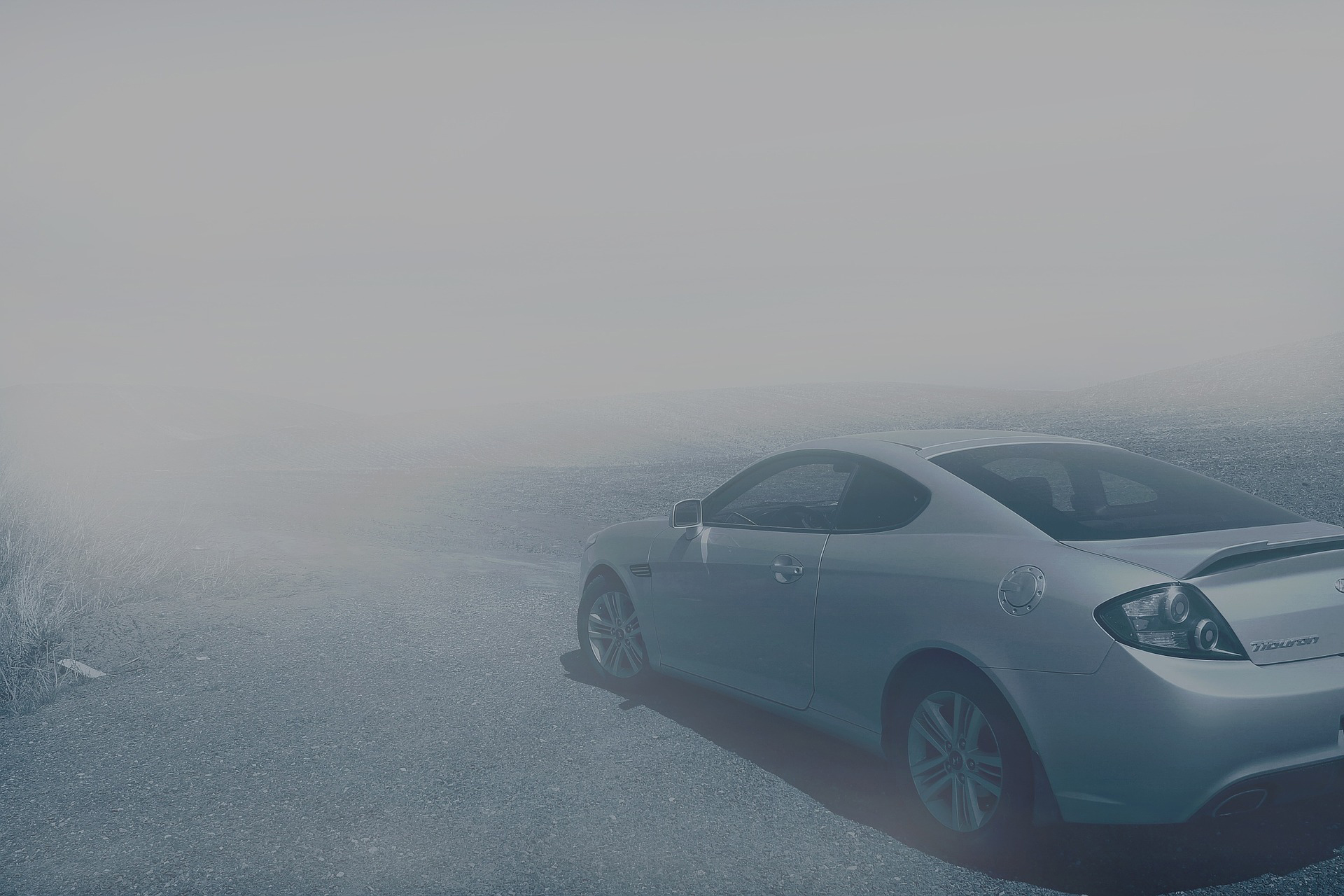
Dry Pavement:
- Vehicles have good traction and can stop quickly. However, stopping distance is still influenced by vehicle speed and driver reaction time.
Wet Pavement:
- Traction is reduced on wet surfaces. Drivers should reduce speed and allow more time to stop. Water on the road reduces friction between tires and the surface, making it harder for tires to grip.
Icy Pavement:
- Traction is minimal on icy surfaces. Drivers should reduce speed and avoid sudden braking or acceleration to prevent loss of control. Vehicles require much more time to stop and may slide before coming to a halt.
Loose Gravel or Dirt:
- Loose gravel or dirt reduces traction. Vehicles require more time to stop, and the loose surface can cause sliding or loss of control, especially during sudden braking or acceleration.
Uneven Surfaces:
- Surfaces with potholes or speed bumps can affect stopping distance. Driving over rough surfaces can cause the vehicle to lose some control, requiring additional time to stop.
Tips for Drivers
- Be Aware: Understand how different road surfaces affect stopping distance and adjust your driving accordingly.
- Drive Responsibly: Reduce speed, increase following distance, and avoid sudden maneuvers on challenging surfaces.
Understanding the impact of various road surfaces on stopping distance is crucial for safe driving. By adapting to road conditions and driving responsibly, drivers in Ontario can help prevent accidents and promote safer driving practices.
Using this on Ontario roads — and on your road test
Ontario gives you all of it: black ice on a January morning in the GTA, wet leaves in October, loose gravel on rural roads outside the city, painted lines and metal plates that get slippery in the rain. On your G2 or G test, following distance is one of the things examiners score continuously.
Questions drivers ask us
How much longer does it take to stop on a wet road?
There is no single number — it depends on speed, tires, and how wet the surface is — but stopping distances grow a lot on wet roads and grow dramatically on ice.
Why is my car sliding when I brake on ice?
On ice the tires lose friction with the road, so the wheels cannot grip enough to slow the car quickly.
Can you fail your G2 for following too closely?
Yes. Following distance is scored throughout the test, and it matters even more in bad weather.