
Beginner Driver Education · Perception and Risk Management
Understanding the Need for Peer Approval in Driving Behaviour
Driviology Road Safety Education Team
What this actually means for you
Ask any instructor what separates new drivers who crash from new drivers who do not, and it comes down to this: how early they see trouble coming. The need for peer approval can significantly influence driving behaviour, often leading to risky actions. Build it early and it becomes automatic — your eyes go to the right places before your brain has even finished noticing why.
The Impact of Peer Approval on Driving Behaviour
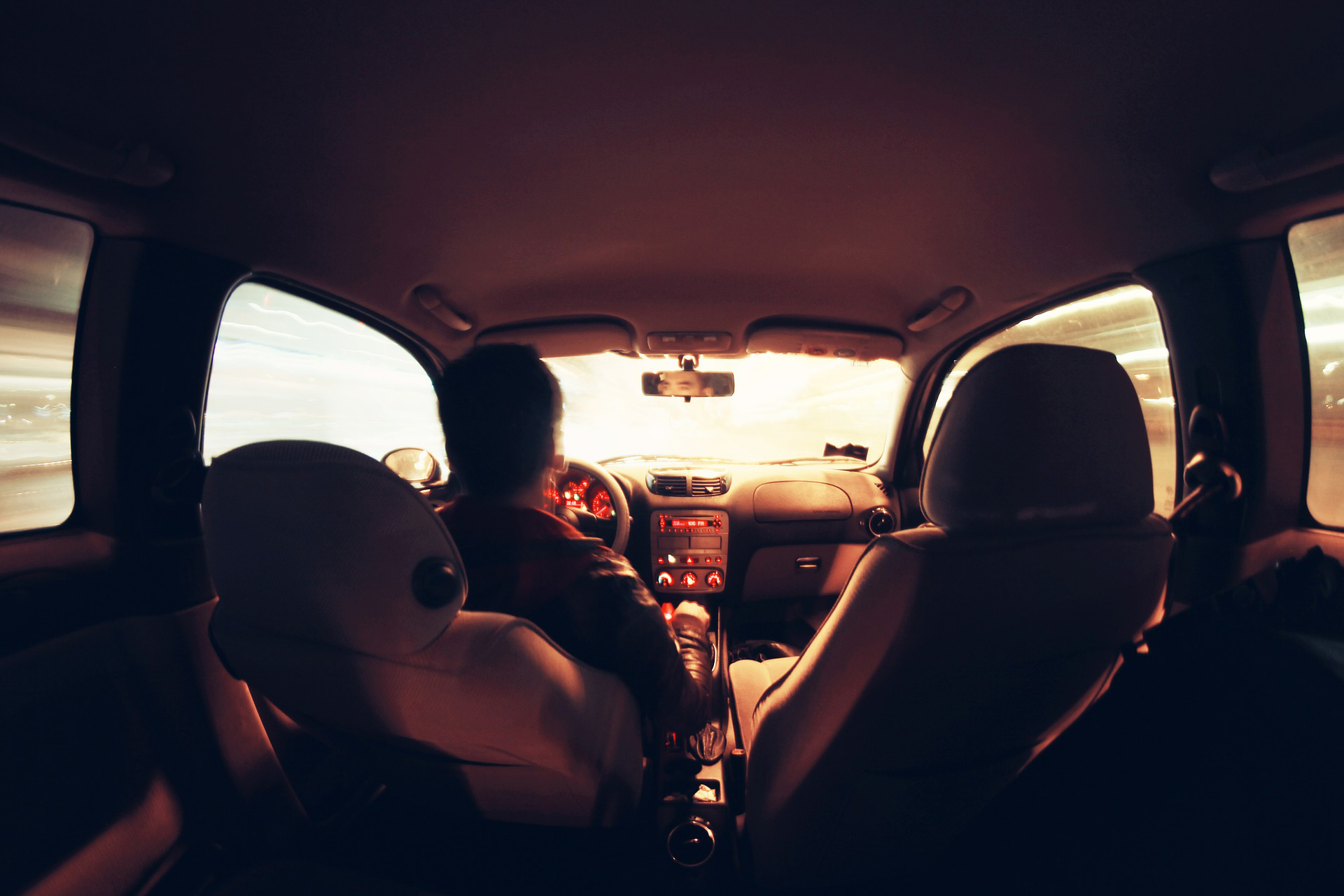
The need for peer approval can significantly influence driving behaviour, often leading to risky actions. Drivers, especially younger ones, may feel pressured to impress friends or conform to group behaviours, which can result in dangerous driving practices.
Key points to consider:
Influence of Passengers: The presence of peers can lead to distractions or encourage reckless behaviour such as speeding, aggressive driving, or ignoring traffic rules.
Social Pressure: Drivers may take unnecessary risks to gain approval or avoid criticism from friends, increasing the likelihood of accidents.
Decision-Making: Peer influence can impair judgment, leading drivers to make unsafe decisions they wouldn’t normally consider if driving alone.
To promote safer driving habits:
- Awareness: Recognize the impact of peer pressure on driving behaviour and stay mindful of its influence.
- Confidence: Develop confidence to make safe driving choices, regardless of peer opinions.
- Communication: Encourage open discussions about safe driving practices within peer groups.
- Responsibility: Prioritize safety over seeking approval, understanding that responsible driving benefits everyone on the road.
By managing the need for peer approval and focusing on safe driving, drivers can reduce risks and promote a safer driving environment.
Using this on Ontario roads — and on your road test
Space is the physical form of this skill. A driver who keeps a proper following distance and an escape route almost never has to make a dramatic decision, because surprises arrive with time attached. On wet or icy Ontario roads that margin needs to grow, not shrink — stopping distances stretch and other drivers make mistakes you cannot predict. Build the habit of asking, every few seconds: what could go wrong here, and where would I go? That quiet question, asked constantly, is what experienced drivers are actually doing behind their calm.
Questions drivers ask us
Can you explain need for peer approval in driving behaviour in simple terms?
Drivers, especially younger ones, may feel pressured to impress friends or conform to group behaviours, which can result in dangerous driving practices.
How do I actually get better at this?
Practise out loud. When you drive with your instructor or supervisor, say what you are seeing and what you plan to do about it: car waiting to pull out, watching it; light has been green a while, covering the brake. Commentary driving feels odd for one lesson, and then it sticks — it is how instructors build this skill.
How do examiners test this on a road test?
They watch your eyes and your timing: mirror and shoulder checks, how early you react to hazards, and whether your speed and following distance leave you room. You will not be asked theory questions — your driving is the answer.