
Beginner Driver Education · Respect and Responsibility
Avoiding Road Rage in Yourself and Others - Tips for Safer Driving
Driviology Road Safety Education Team
What this actually means for you
This is the part of driving nobody tests you on with a checklist, but it is the part other road users feel every single day. Recognizing triggers and maintaining a calm demeanour can help prevent road rage and promote safer driving habits. It also protects you: drivers who leave room for others and stay predictable are simply involved in fewer close calls.
Avoiding Road Rage: Tips for a Safer Driving Experience
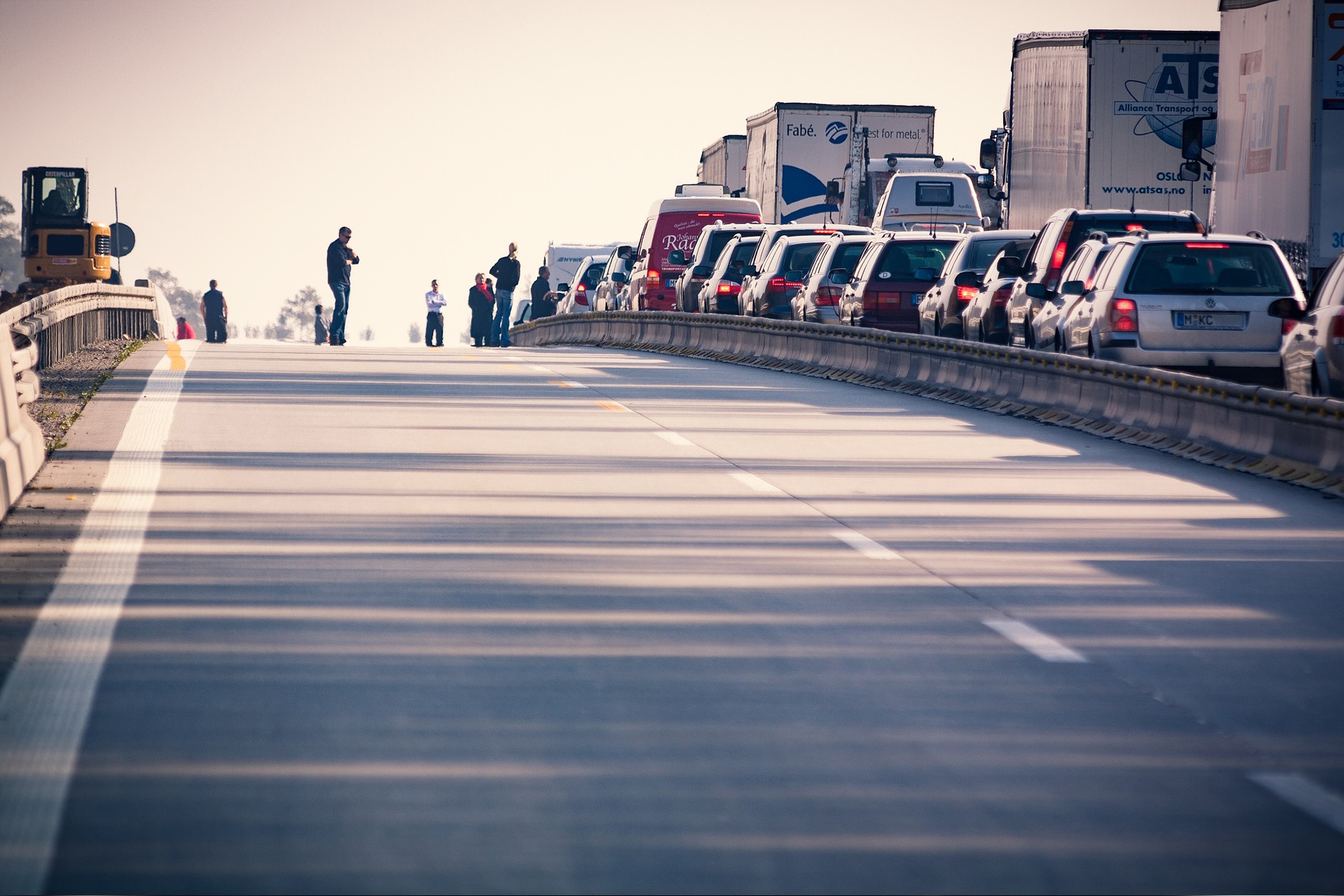
Road rage can easily result in accidents. It distracts the driver and leads to illegal and risky behaviours. Recognizing triggers and maintaining a calm demeanour can help prevent road rage and promote safer driving habits.
Common Triggers of Road Rage:
- Failure to Yield the Right-of-Way
- Cutting Someone Off
- Speeding or Driving Too Slowly
- Tailgating or Following Too Closely
- Continuous Honking
- Failure to Signal Before Turns
- Poor Merging
Steps to Avoid Road Rage:
Identify Triggers: Recognize what tends to trigger your anger while driving. Once you understand your triggers, you can avoid those situations or remain calm when faced with them.
Practice Patience and Courtesy: Strive to be patient and courteous on the road. Treat other drivers with respect, and don't let their actions provoke you.
Follow Traffic Rules: Adhering to traffic rules can help avoid provoking road rage in others. This includes using signals, yielding the right-of-way, and merging correctly.
Ignore Aggressive Drivers: If another driver displays road rage, it's best to ignore them and avoid confrontation. Make every effort to de-escalate the situation, such as waving apologetically to acknowledge mistakes.
Handle Being Followed: If an aggressive driver starts following you, do not try to outrun them. If you feel threatened, remain in your vehicle and drive to the nearest police station or call the police. Avoid going home or to any personal location. Dealing with Road Rage in Yourself
Dealing with Road Rage in Yourself:
Be Aware of Your Emotions: Stay mindful of your feelings and how they may affect your driving. If you're feeling stressed, frustrated, or angry, take a few deep breaths and try to relax before getting behind the wheel.
Avoid Aggressive Driving Behaviors: Aggressive actions like tailgating, cutting off other drivers, or excessive honking can contribute to road rage and increase the risk of accidents. Drive defensively and follow traffic laws.
Don't Take Things Personally: Remember that everyone makes mistakes and has bad days. Avoid taking things personally and refrain from responding with aggression.
Use Polite Communication: Communicating politely and respectfully with other drivers can help defuse tense situations. For example, using hand signals or a friendly wave to thank someone for letting you merge can create a positive driving environment.
Give Yourself Plenty of Time: Being in a rush can contribute to stress and frustration. Allow extra time to reach your destination to reduce pressure and make driving more relaxed and enjoyable.
Listen to Calming Music: Listening to calming music while driving can help reduce stress and promote relaxation. Classical, instrumental, or natural sounds can be particularly effective.
Dealing with Road Rage in Others:
Give Aggressive Drivers Space: If you encounter an angry or aggressive driver, give them plenty of space and avoid making eye contact or responding with angry gestures.
Seek Safety: If you feel threatened, call the police or drive to a safe location to prevent the situation from escalating.
Conclusion
Understanding and avoiding road rage can help create a safer and more peaceful driving environment, reducing the risk of accidents and injuries. By practicing patience, following traffic rules, and managing your emotions, you can contribute to a positive driving culture.
Using this on Ontario roads — and on your road test
In practice this shows up in small, unglamorous moments: leaving a gap instead of closing it, waving a pedestrian through with patience instead of impatience, securing a load so nothing ends up on the 401 behind you, planning a route so you are never rushing. None of those moments appear on a road test score sheet directly — but the awareness behind them does, because examiners are really judging whether you treat the road as shared space. And it compounds: a new driver known for calm, predictable driving gets the benefit of the doubt from everyone around them, including, one day, their own passengers' parents.
Questions drivers ask us
Can you explain avoiding road rage in yourself and others in simple terms?
Follow Traffic Rules: Adhering to traffic rules can help avoid provoking road rage in others.
What should new drivers know about steps to avoid road rage?
Identify Triggers: Recognize what tends to trigger your anger while driving.
Does this actually affect my road test, or is it just theory?
It shows up in how you drive: courtesy, patience, proper use of space, and correct responses to school buses, emergency vehicles, and pedestrians are all things an examiner can observe and mark. Attitude becomes visible within the first few minutes.
What should new drivers know about dealing with road rage in others?
Give Aggressive Drivers Space: If you encounter an angry or aggressive driver, give them plenty of space and avoid making eye contact or responding with angry gestures.