
Beginner Driver Education · Sharing the Road
Effective Communication for Safe Road Sharing
Driviology Road Safety Education Team
What this actually means for you
You do not own the road, and neither does anyone else. Most of safe driving in a city like Toronto is really just the skill covered on this page. Part of being a cooperative driver is communicating. Do this well and you become predictable, and predictable drivers are the ones everyone else can work with safely.
Communicating Effectively with Other Road Users | Road Safety Tips
Part of being a cooperative driver is communicating. Ensure the driver's moves are predictable and not confusing. The driver must indicate their move before making it.
The driver must be aware of these communication methods and react accordingly. This ensures a safe road and provides a friendly and enjoyable experience.
There are several ways the driver can communicate with other drivers:
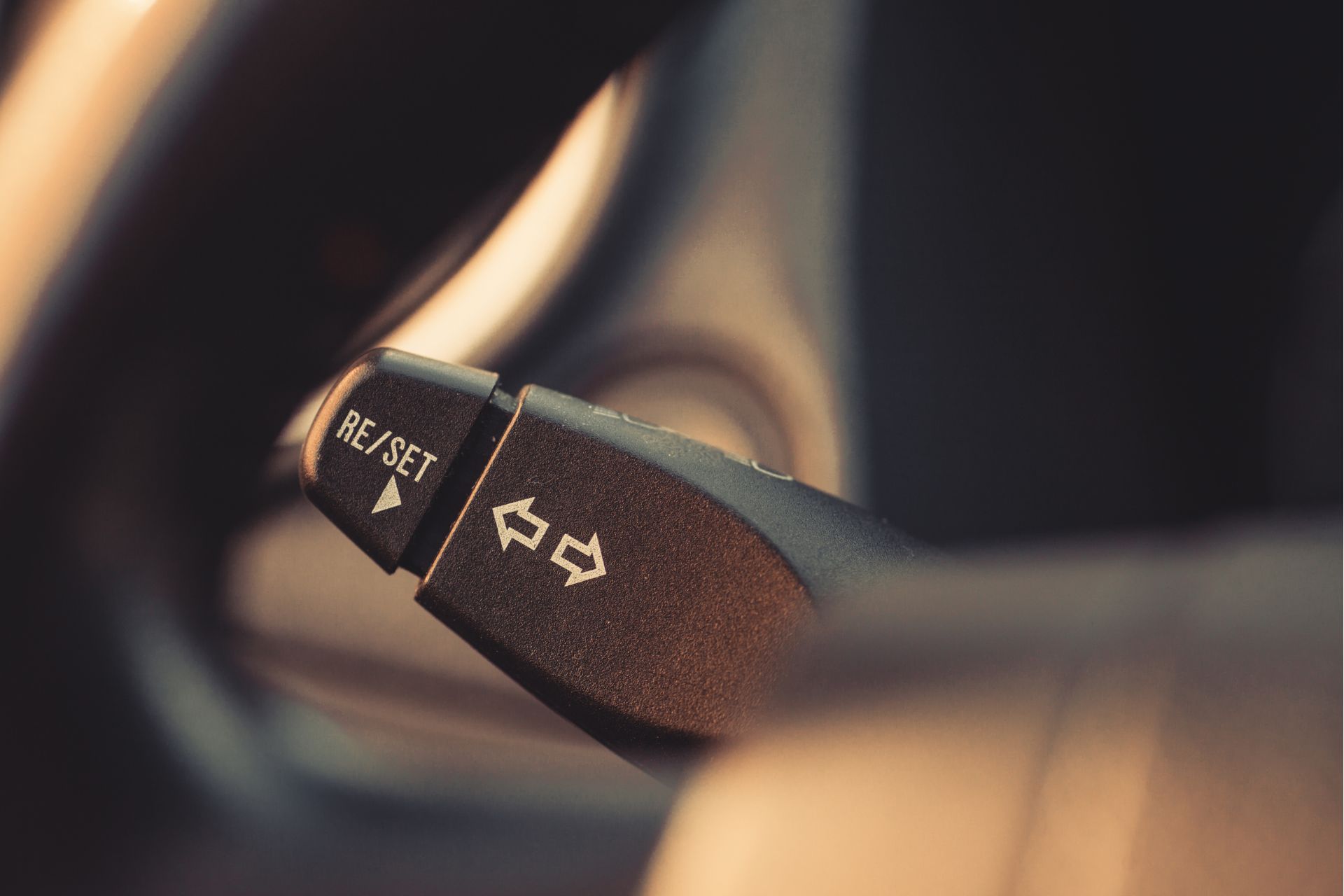
1. Turn signals
Fitted on each corner of the vehicle, they are hard to miss when flashing. Naturally, these lights indicate direction and the change thereof.
The turn signals are activated by the stock on the left-hand side of the steering wheel. Turning the stock "up" indicates the right, and pushing the "down" means the left.
It is mandatory to use signals when making the following moves:
1. 100 feet before any turn
2. Changing lanes
3. Overtaking and re-merging
4. Merging into a new lane
5. When Pulling out of a parking space, especially one near a curb
Remember, the turn signals do not permit the driver to turn without caution; they must check their mirrors to ensure no vehicles are nearby.
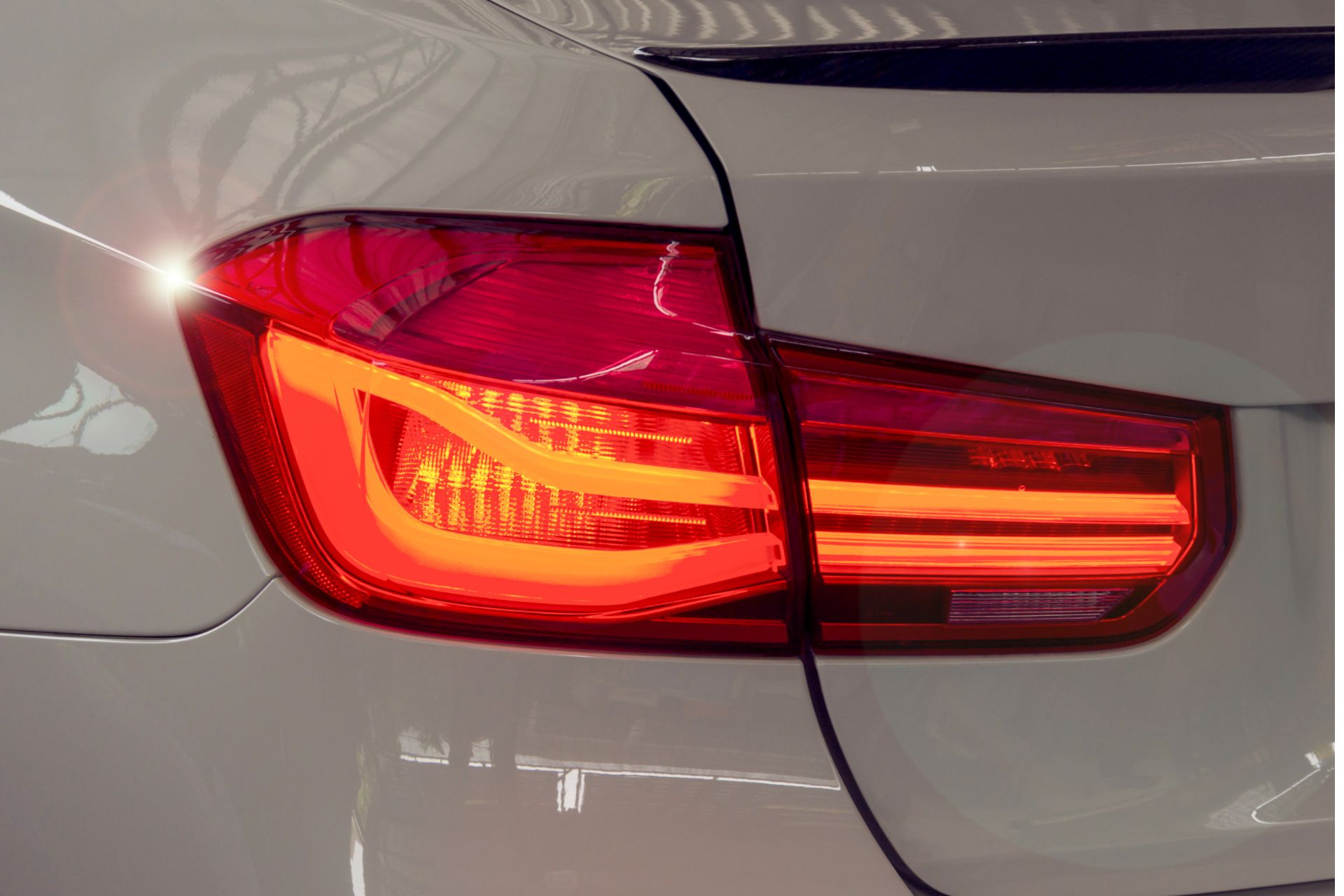
2. Brake lights
Fitted on the back of all vehicles, they glow red when the driver presses the brake. If the driver sees the brake lights on, the automobile in front is slowing down, and the driver must slow down, too. The driver must ensure the brake lights are working correctly; vehicles with dysfunctional brake lights are more likely to get rear-ended because the driver behind did not know that the vehicle ahead was slowing down.
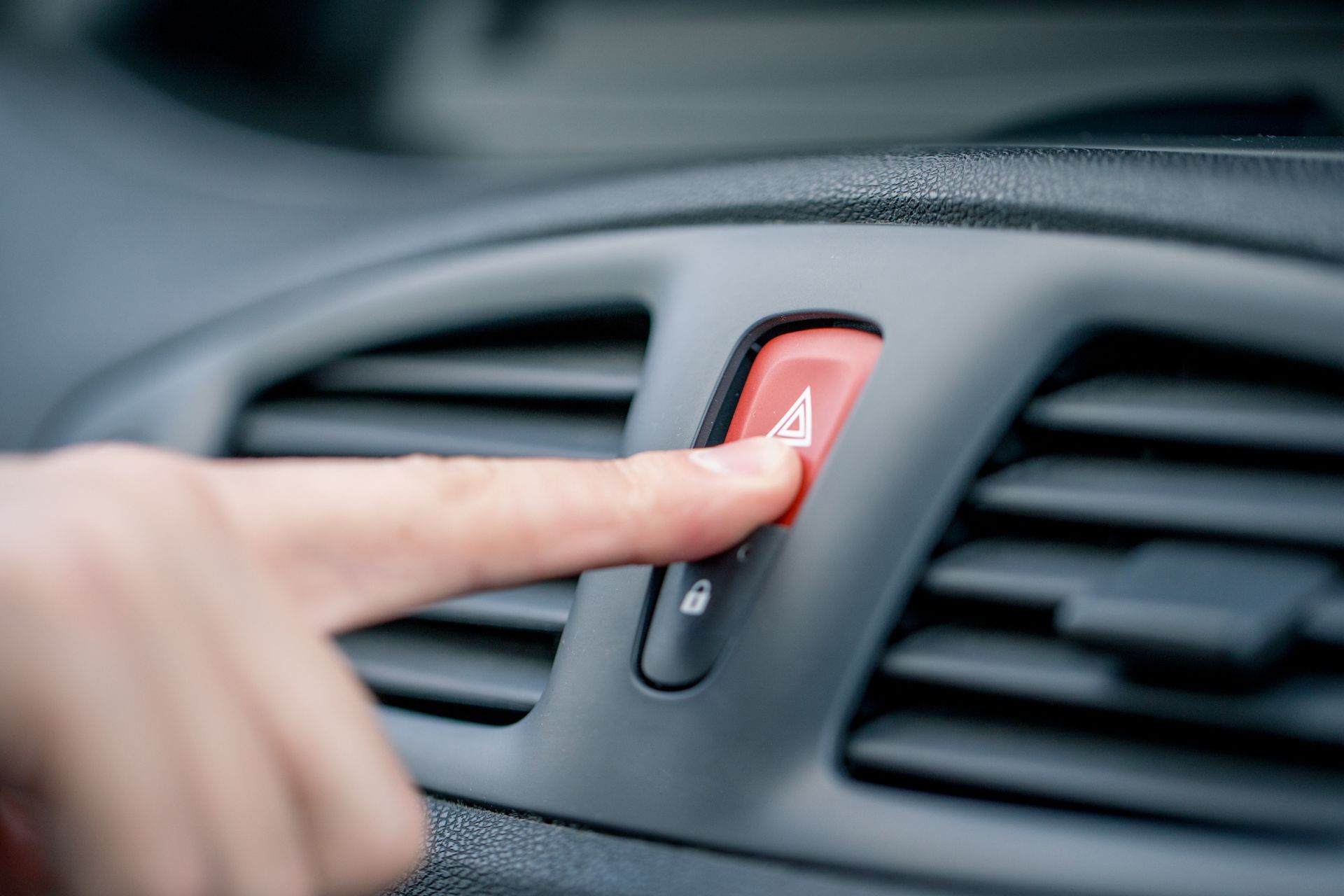
3. Hazard lights
These lights flash at all turn signals at the same time.
Drivers should not use hazard lights when driving, as they override turn signals, making them invisible.
Headlights illuminate the path and ensure visibility to other drivers.
If the driver sees another vehicle with its hazard lights on, they must slow down and approach cautiously. It is impossible to know what the issue is in the automobile in front.
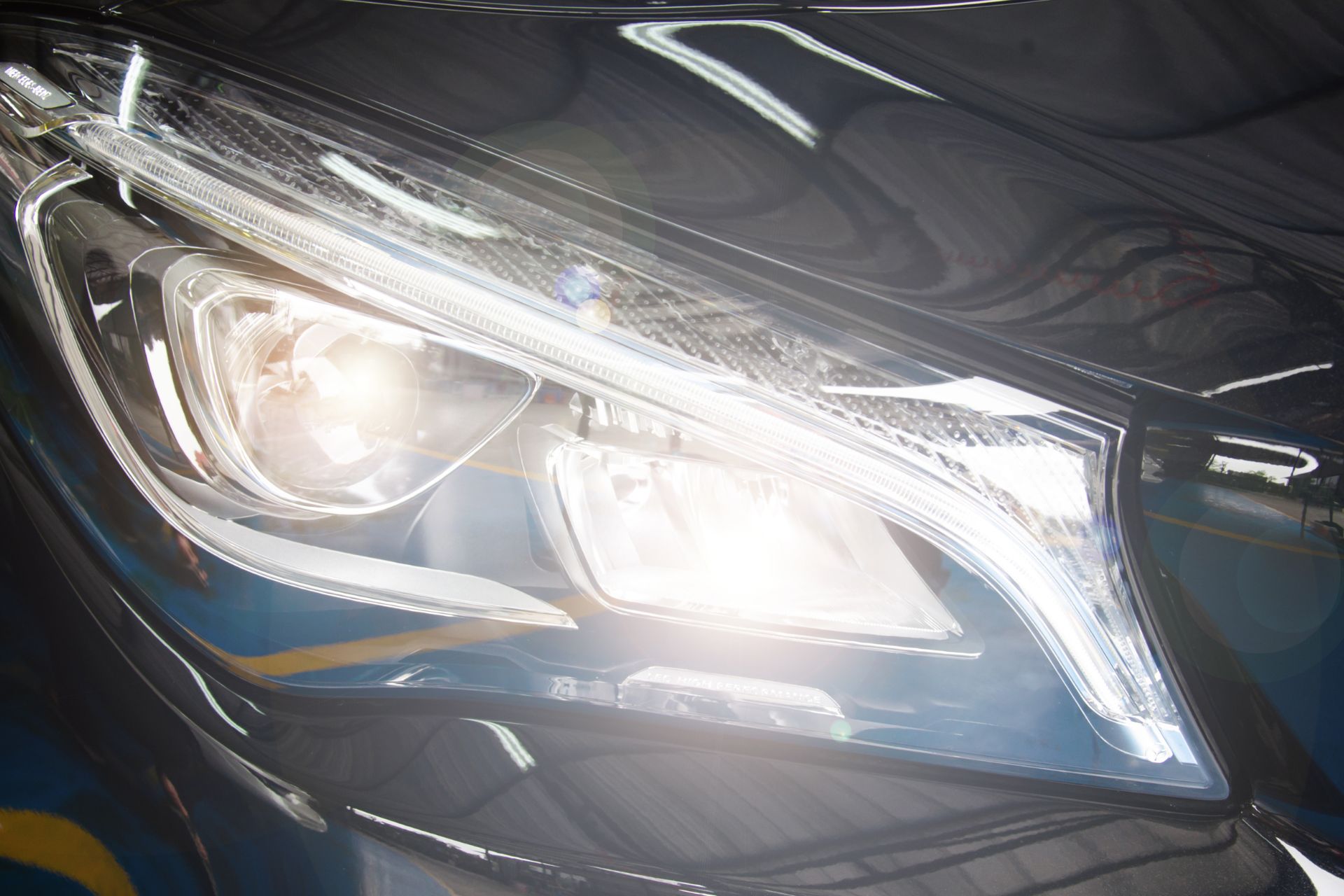
4. Headlights
The driver's headlights illuminate the path and ensure visibility to other drivers.
When driving, oncoming traffic has to see the driver; hence, turning on the low beams when it gets dark is necessary.
Be careful not to flash the high beams onto oncoming traffic, which can blind them and lead to a head-on collision.
The driver can also flash the high beams by pulling the headlight stock towards the driver. When drivers forget to dim their lights, the driver can flash the lights to remind them.
The driver can also use the flashers to communicate with other drivers that may impede the driver’s path or look for permission to pass.
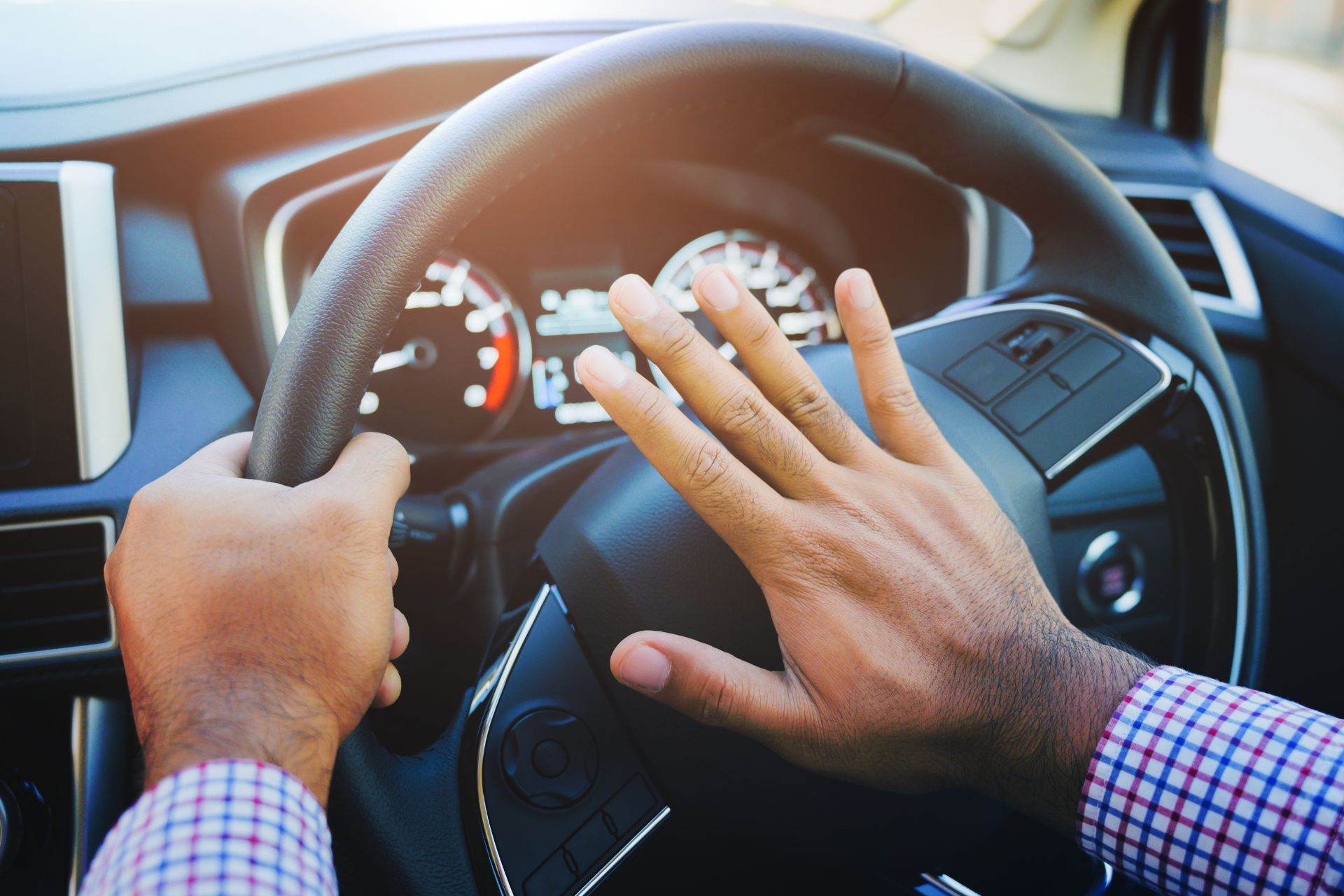
5. Horn
The horn is located in the middle of the steering wheel. It should only be used sparingly and only when necessary.
Many drivers comprehend the horn as an insult, so they should avoid using it.
The driver can use the horn to warn drivers of hazards on the road or alert them of their presence. A short honk will be sufficient enough to be noticed. Repeated or prolonged use of the horn may translate into aggressive behaviour.
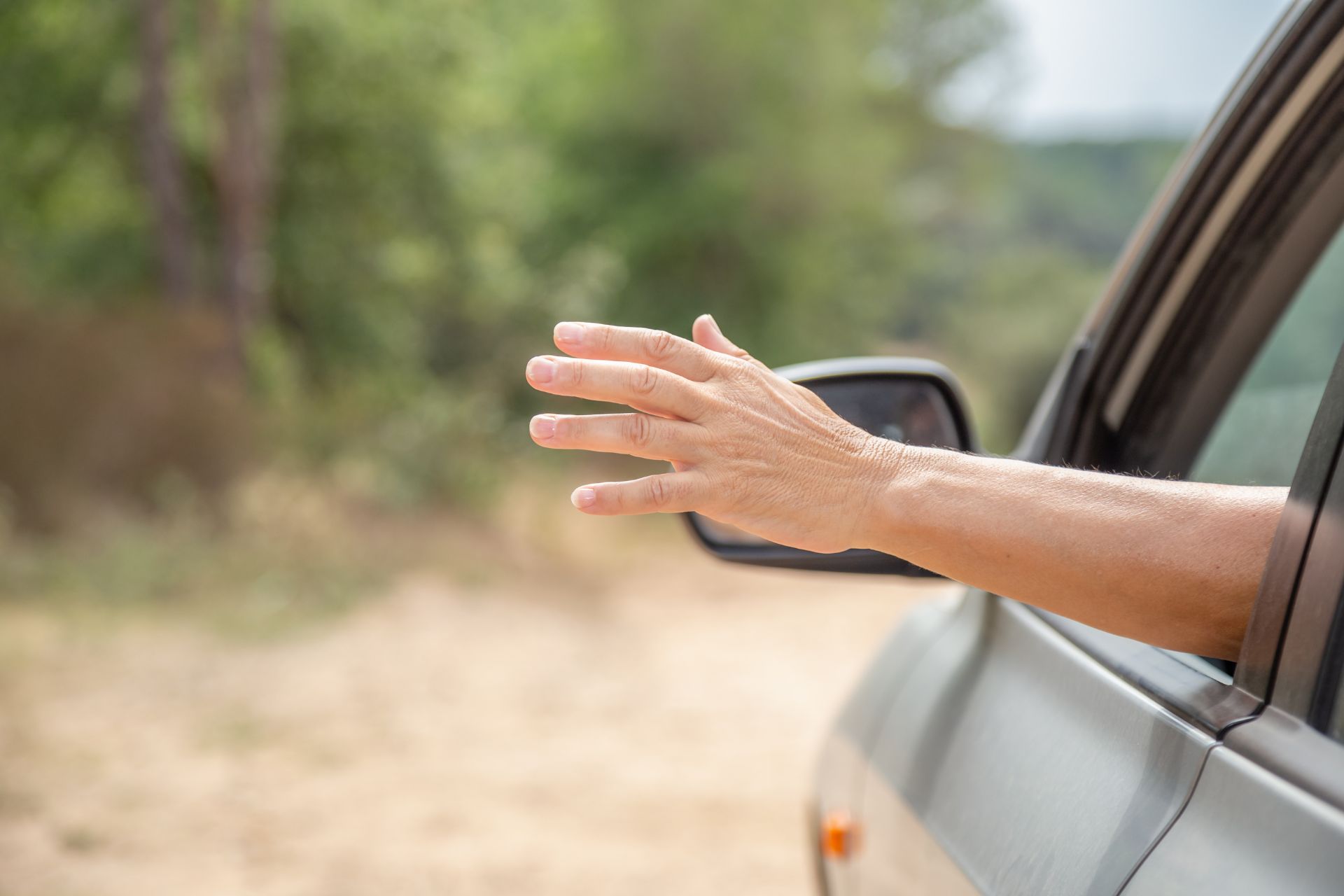
6. Hand signals
There may be events that the driver will have to indicate with their hands. Hand signals are helpful if the turn signals are damaged.
To turn right: Put the driver's hand out of the window and bend the driver's elbow upwards. The driver should point upwards.
To turn left: Put the driver's hand out of the car, with no bending at the elbow.
To stop: Put the driver's hand out of the window and point downwards. The driver should bend the elbow towards the road.
7. Vehicle position
The driver must always look out for the position and movement of all vehicles.
Some drivers may forget to indicate that the driver should predict a rough path that the vehicle will follow despite this.
The driver can do this by noticing the direction of the front wheels or scanning the road ahead and seeing any possibilities the driver may need to turn.
Using this on Ontario roads — and on your road test
Toronto makes this unavoidable: streetcars on King, cyclists in bike lanes you must check before every right turn, pedestrians at every downtown corner, and trucks on the 401 whose blind spots can hide your whole car. The pattern that keeps you safe is always the same — signal early, check the space you are about to use (including the mirror and shoulder check), and never assume the other person has seen you. On a road test, examiners watch your checks around vulnerable road users closely; a missed shoulder check beside a bike lane is exactly the kind of error that adds up.
Questions drivers ask us
Can you explain effective communication for safe road sharing in simple terms?
The driver must be aware of these communication methods and react accordingly.
What is the one habit that matters most here?
Check before you move into any space — mirror, signal, shoulder check, in that order, every time. Most conflicts with cyclists, pedestrians, and other vehicles happen because someone changed position based on old information. A fresh check takes a second and prevents almost all of them.
What do examiners watch for around cyclists and pedestrians?
Checks and space. They want to see mirror and shoulder checks before turns and lane changes, a full stop where required, and a comfortable margin when you pass. Crowding a cyclist or rushing a pedestrian is the kind of error that defines a test.