
Beginner Driver Education · The Vehicle and Its Components
Essential Internal Checks for Vehicle Safety
Driviology Road Safety Education Team
What this actually means for you
You do not need to be a mechanic to drive well, but you do need to know what the car is telling you and what to check before you trust it. Check and ensure the seats are adjusted correctly and safely. A two-minute check before a trip can be the difference between a minor inconvenience at home and a breakdown on the 401.
Comprehensive Guide to Internal Vehicle Checks
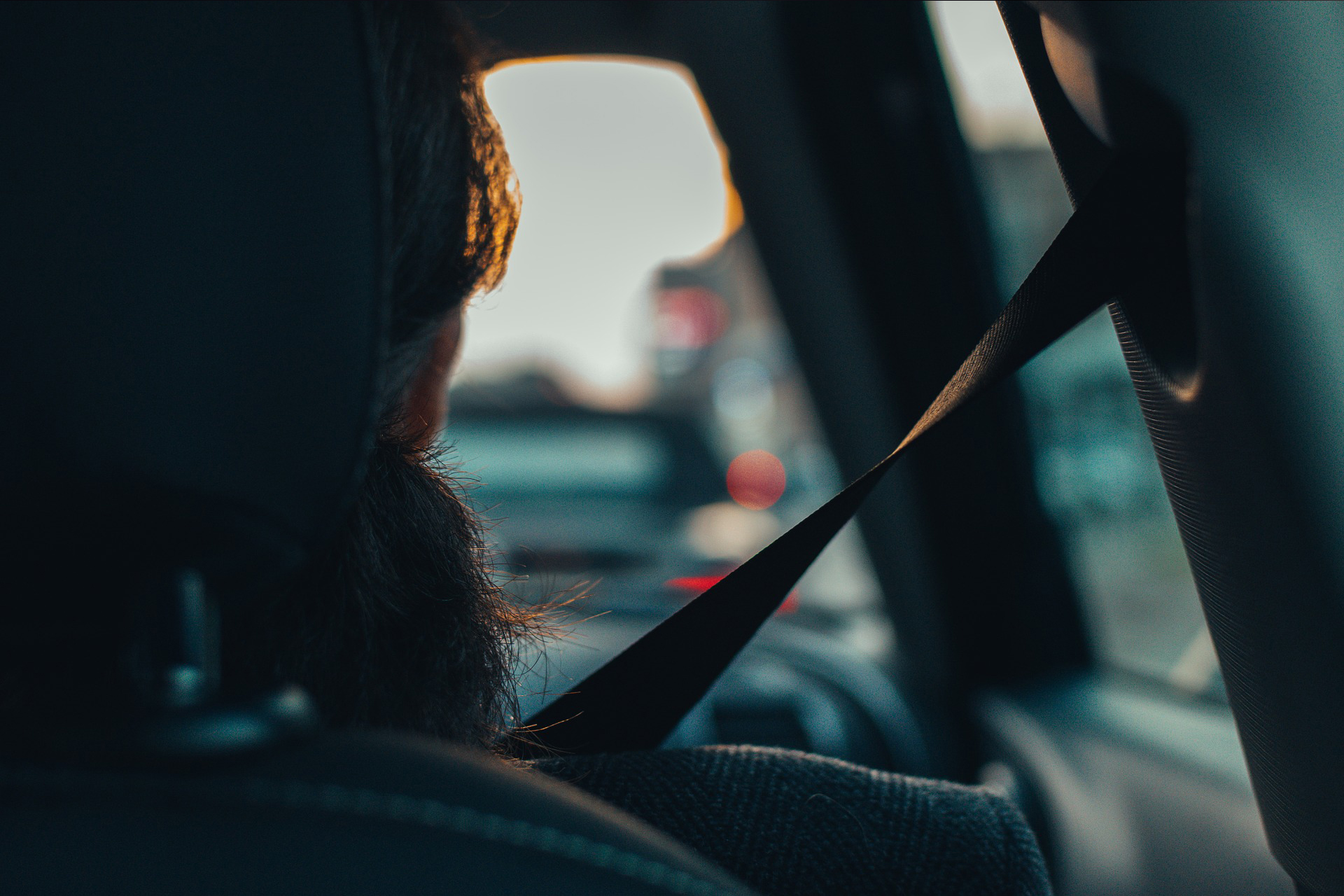
Seats and Seatbelt
Check and ensure the seats are adjusted correctly and safely. The seatbelt is in good working condition.

Horn
If in an appropriate location, test the horn and ensure it works.
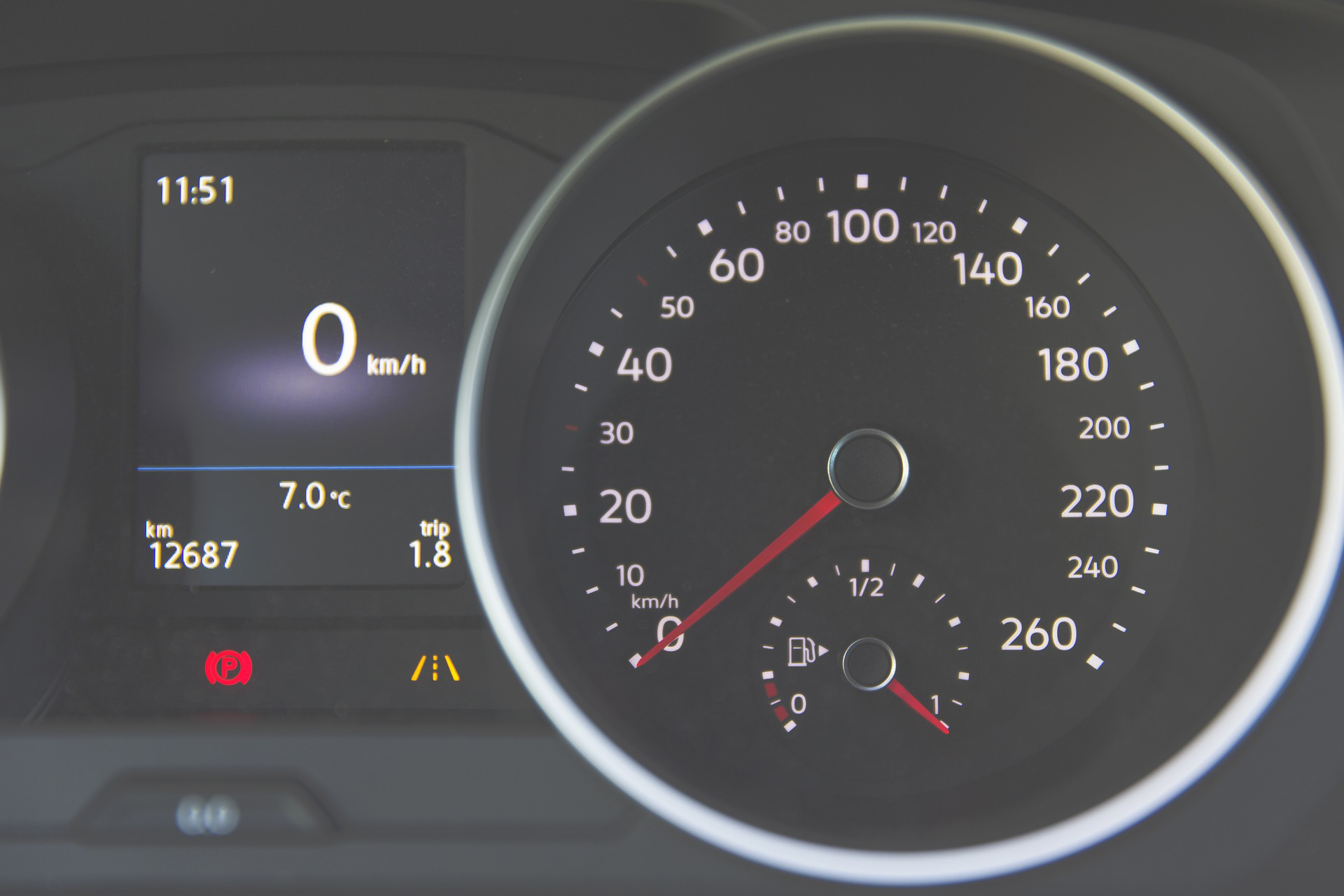
Instrument panel warning system
Ensure no red or yellow (orange) warning icons are on the dashboard. To learn what each icon means, refer to our guide on instrument warnings.
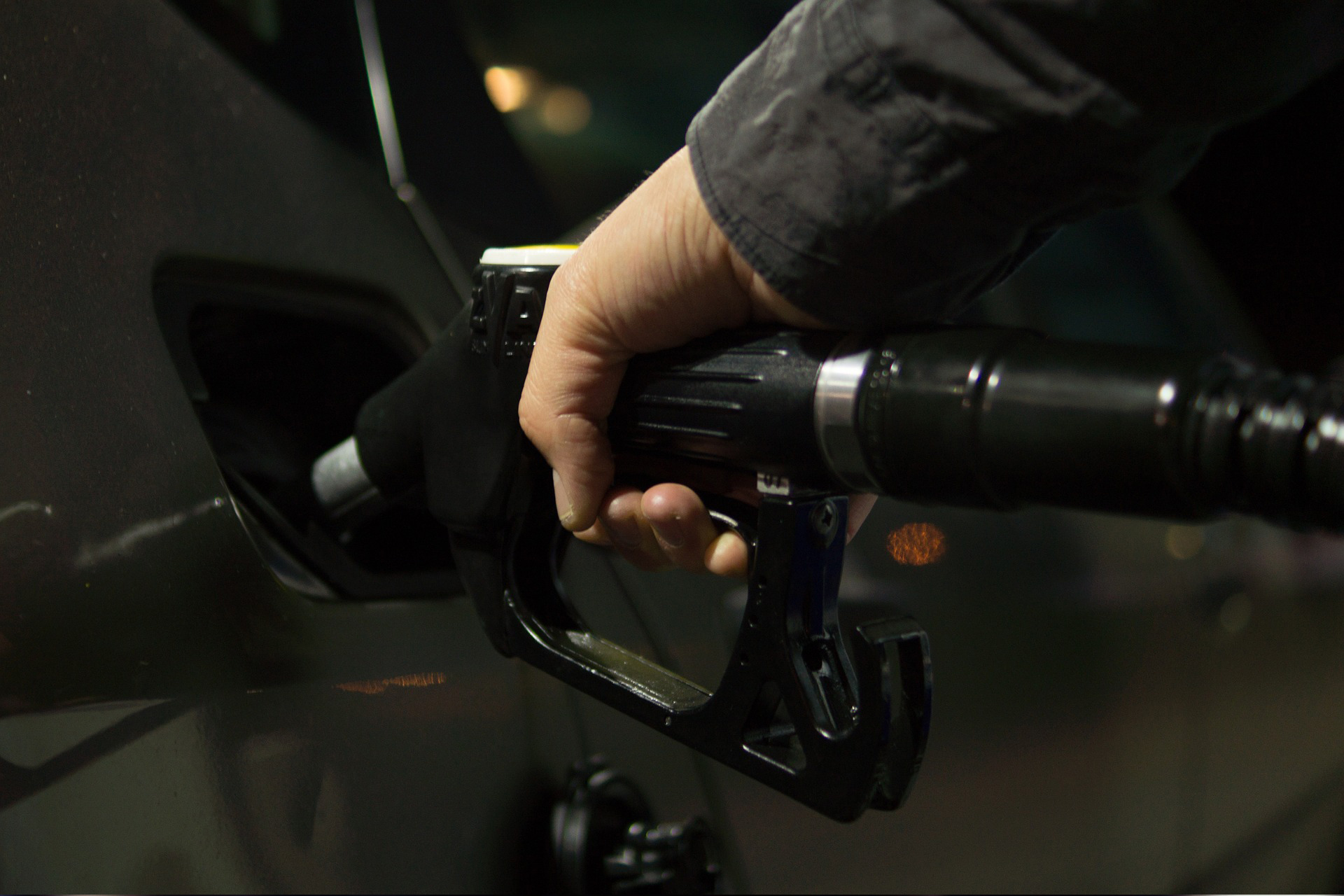
Fuel
Ensure that there is sufficient petroleum for the trip that is planned.
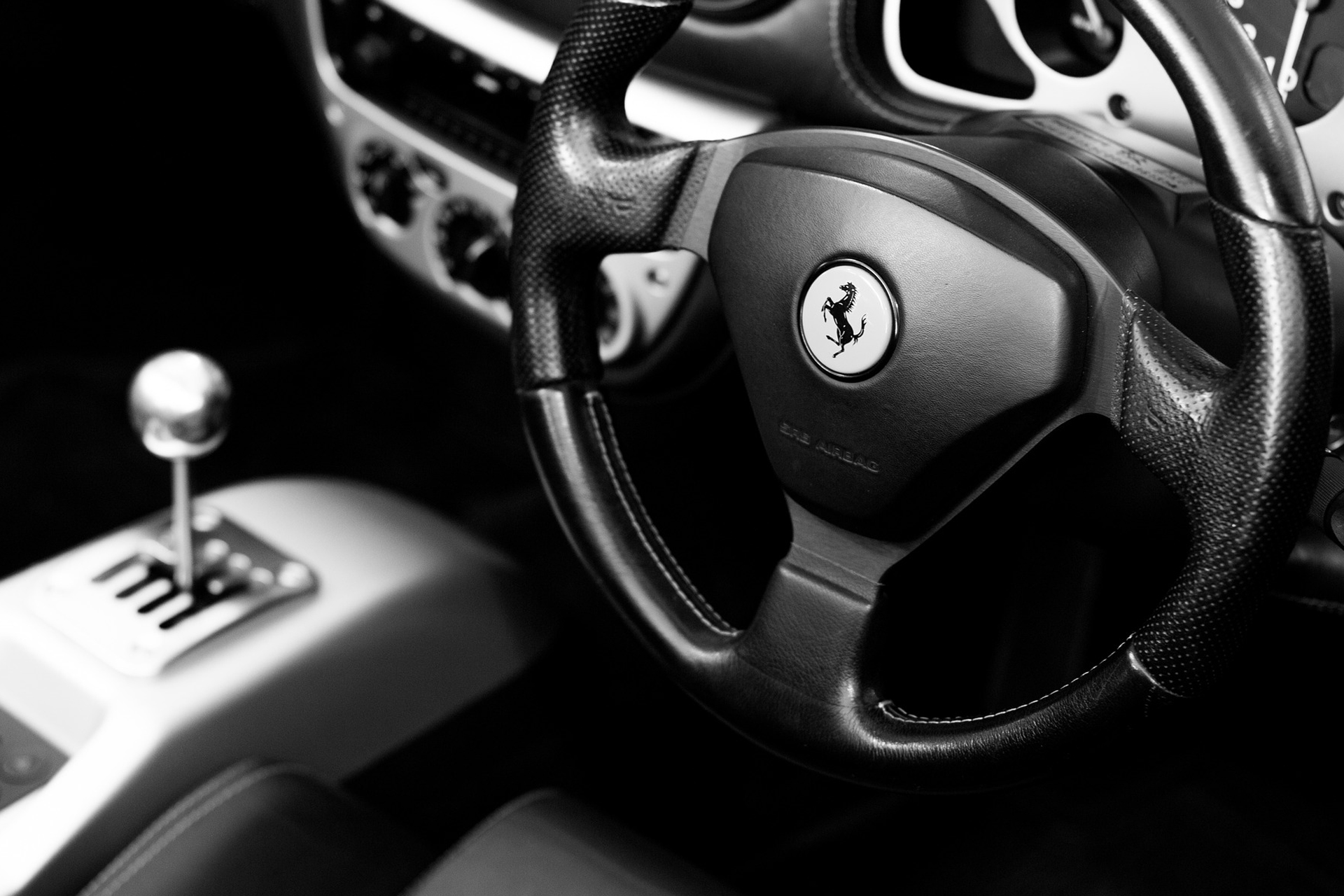
Steering
Ensure the steering wheel functions as expected.
Interior
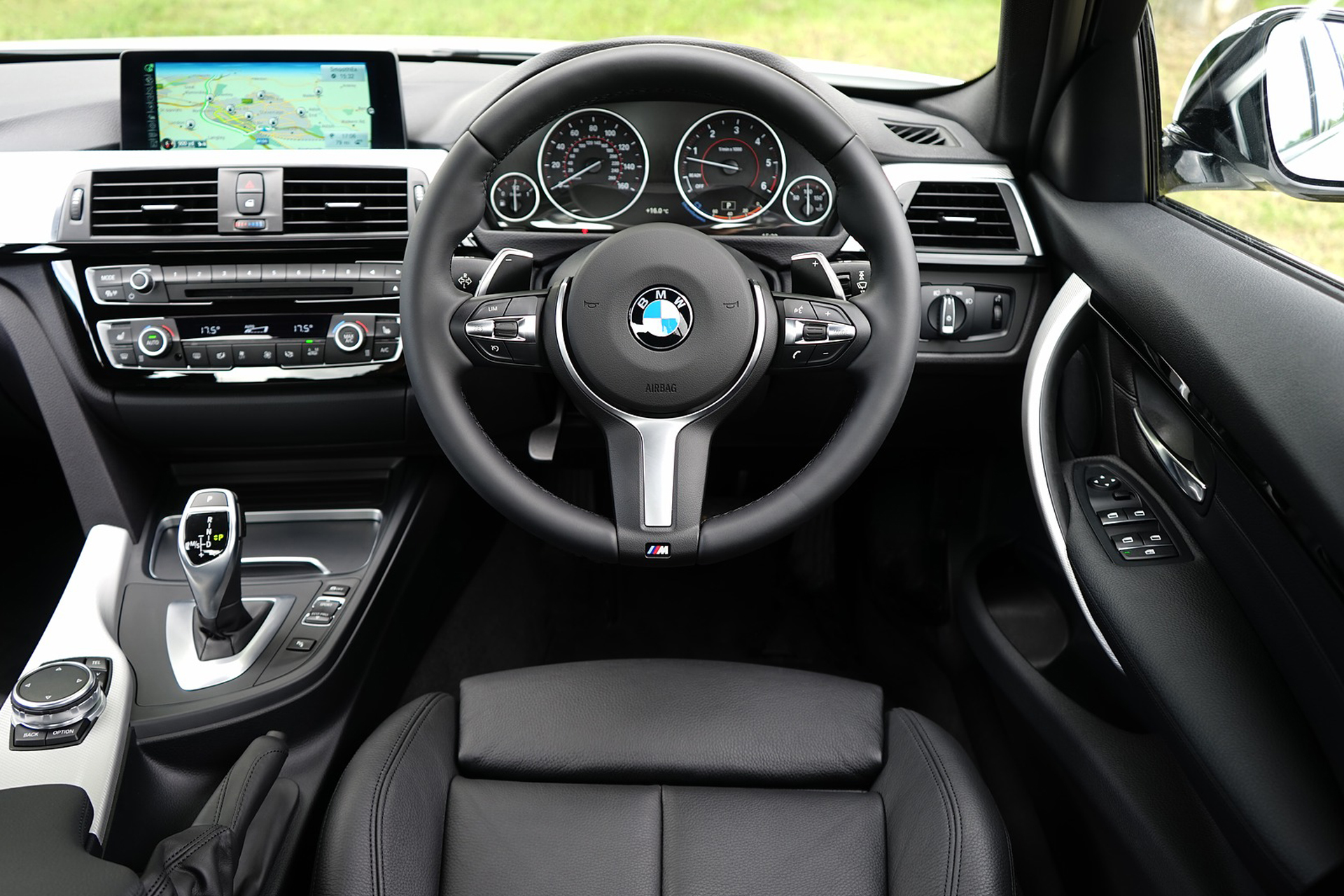
Ensure no loose objects, such as bags or bottles, are in the front of the car.
Brake and Accelerator
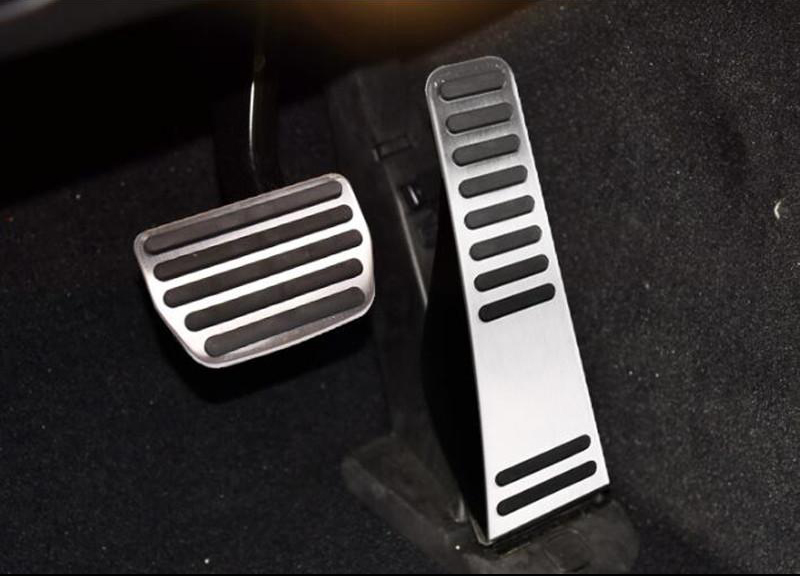
Ensure that nothing is obstructing the brake pedals when depressed; they function as they should.

Paperwork
Before taking off, ensure that the driver has all the paperwork ready. The driver will need the licence, registration papers, and valid proof of insurance and must present it to the police officer upon demand.
Fire Extinguisher
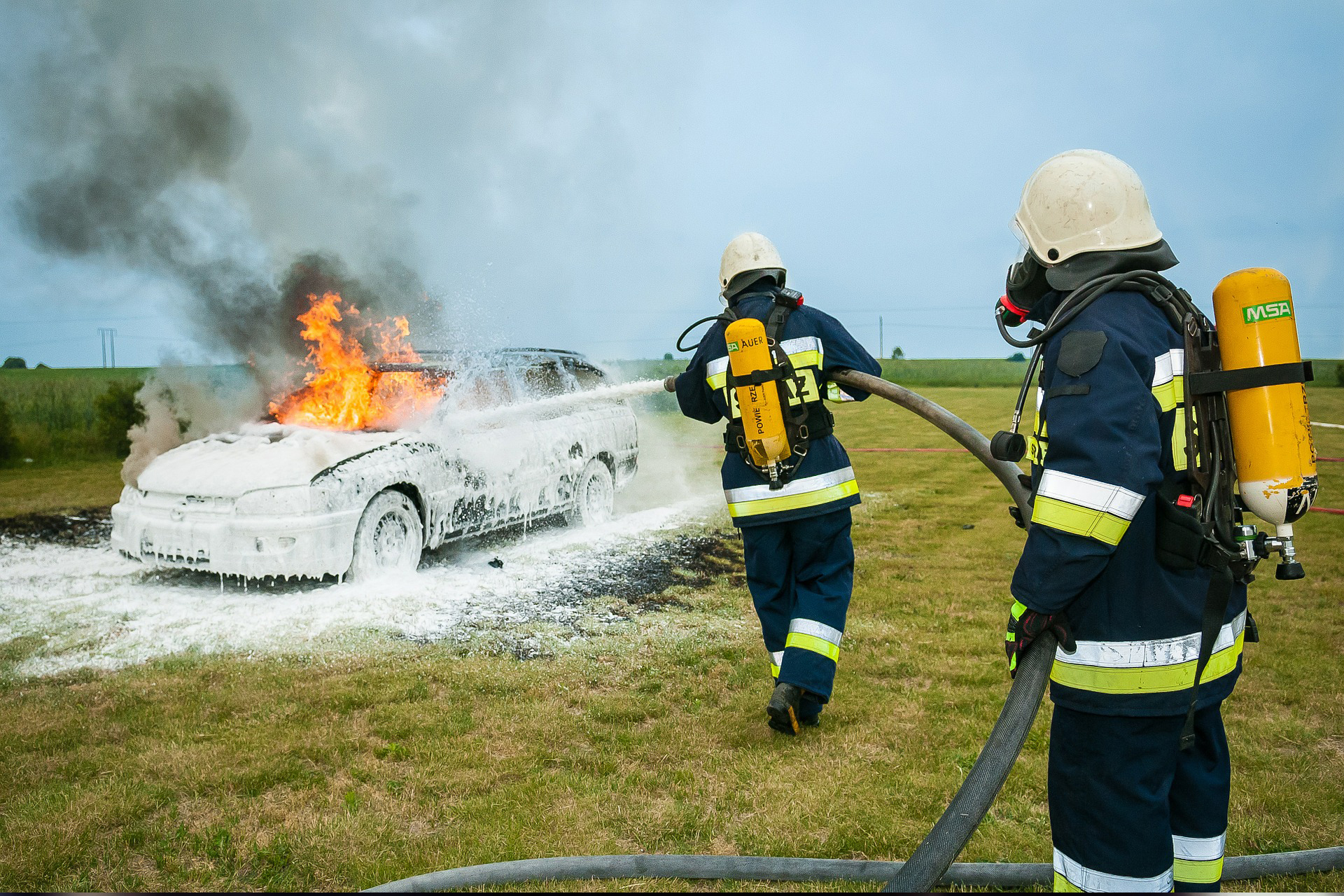
Equip a car with a fire extinguisher that is not expired and is in good working condition.
First Aid Kit
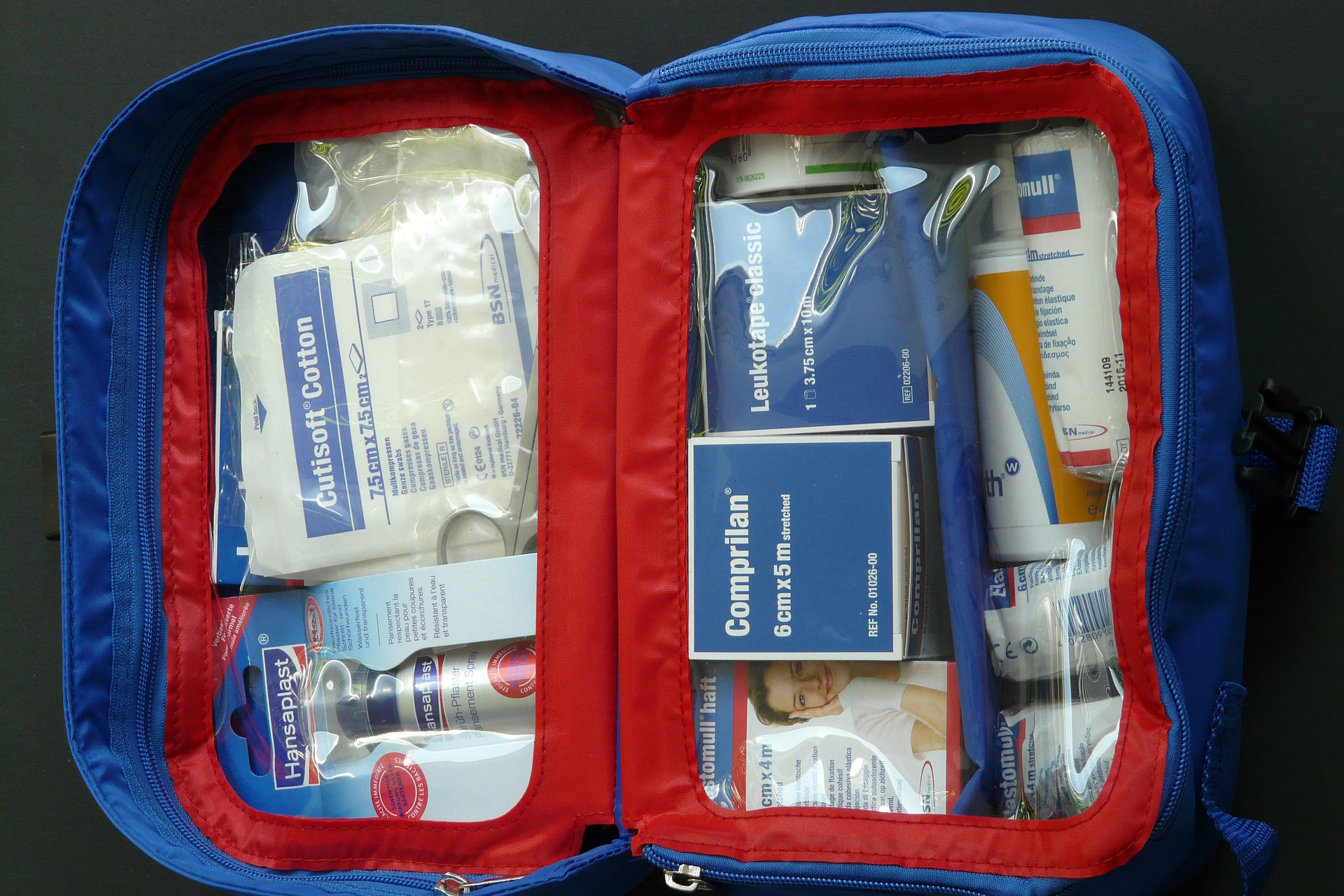
Keep a first aid kit with all adequate supplies for any emergencies. First aid kits can be purchased as a whole kit and usually have basic amenities to treat minor injuries.
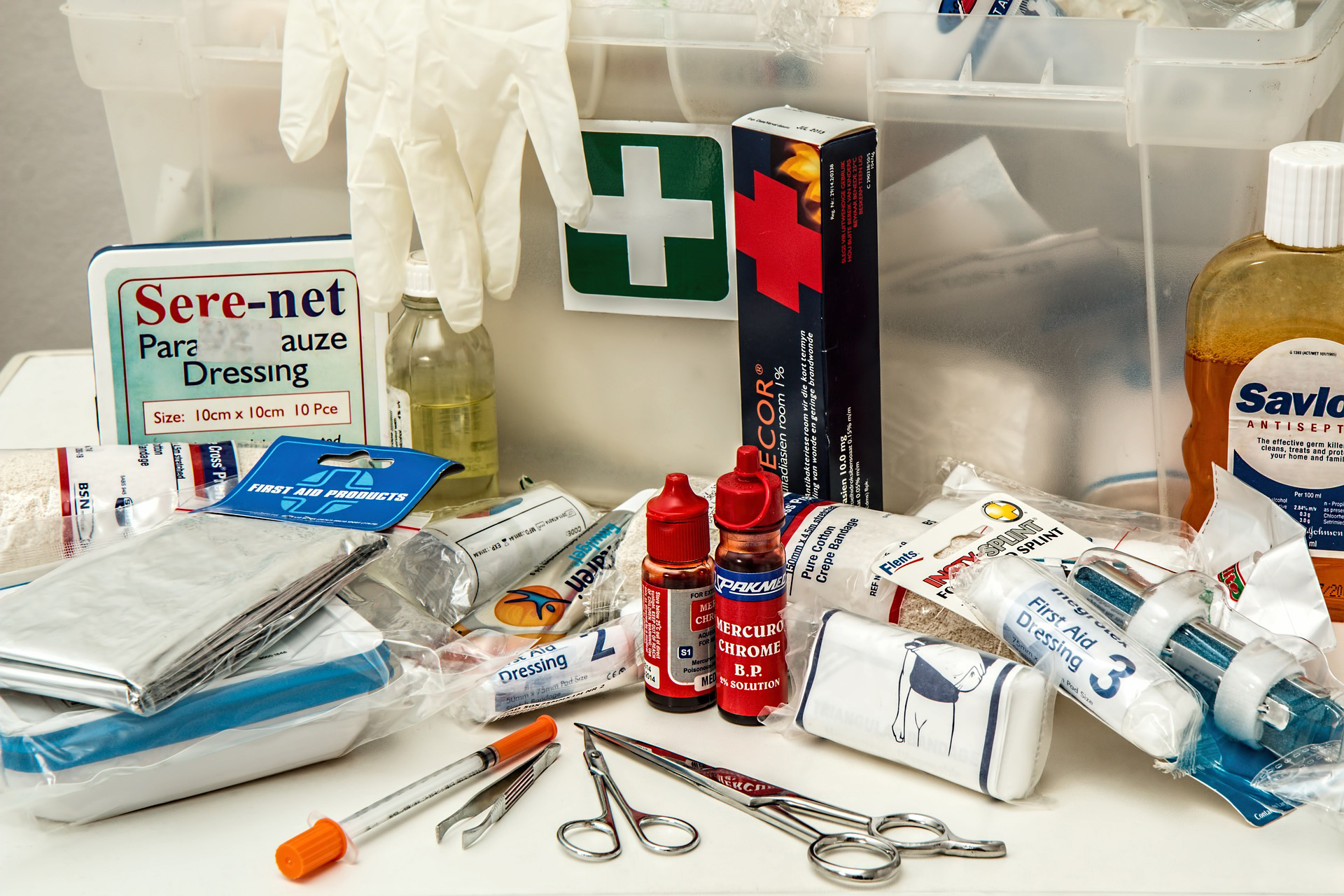
Emergency kits
Emergency kits can make a massive difference during emergencies and sometimes mean the difference between life and death.
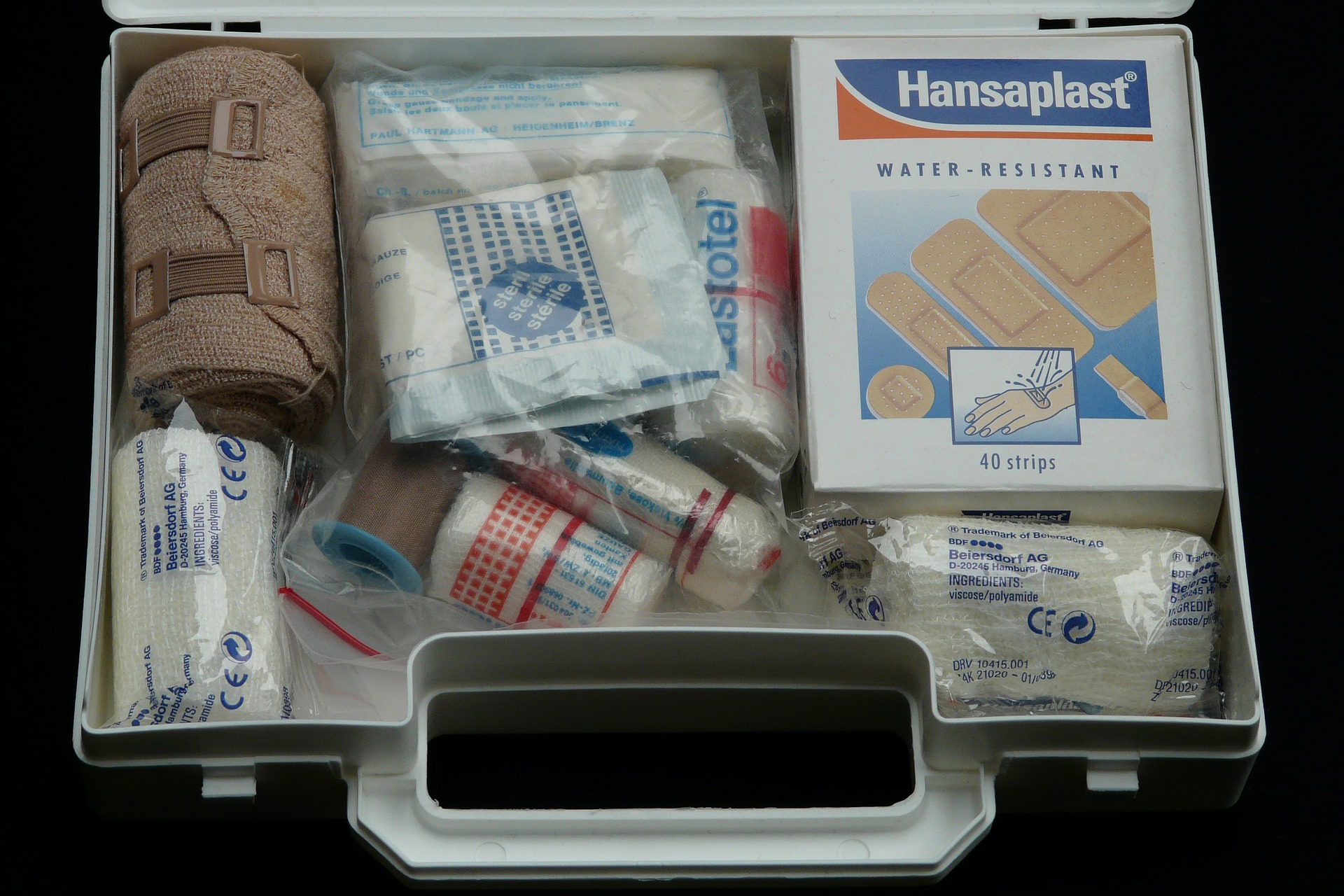
The Emergency kit should contain
- Blanket
- Shovel
- Reflective triangles
- Canned food, energy bars and water
- Warm clothing
- Jumper cables in case the battery dies
- Candles and lighter

Discussion Forum Activity - Pre-Driving checks:
Performing checks before driving is critical. It can help ensure your vehicle is safe and functioning correctly, reducing the risk of accidents and keeping you and other drivers safe on the Road. Please list some of the most critical pre-driving checks you learned in the BDE course and explain briefly.
Click here to go to Discussion Forum.
Using this on Ontario roads — and on your road test
This becomes very practical on test day: before a DriveTest road test, the examiner confirms the car is roadworthy — signals, brake lights, horn, and tires are checked, and a test can be postponed if the vehicle is not safe to use. The same checks serve you every day in Ontario: a burnt-out brake light in February slush, a soft tire in a cold snap, wipers that smear instead of clear. Spend two minutes walking around the car before trips and learn what normal looks like, so abnormal stands out. It is a small habit that prevents a surprising share of roadside misery.
Questions drivers ask us
Can you explain essential internal checks for vehicle safety in simple terms?
It can help ensure your vehicle is safe and functioning correctly, reducing the risk of accidents and keeping you and other drivers safe on the Road.
What should new drivers know about instrument panel warning system?
Ensure no red or yellow (orange) warning icons are on the dashboard.
Will the examiner check my car before the road test?
Yes. Before the test, the examiner confirms the vehicle is roadworthy — things like signals, brake lights, horn, and tires. If the car is not safe or legal to drive, the test may not go ahead, so check these before test day, not in the parking lot.
What should new drivers know about braking and accelerator?
Ensure that nothing is obstructing the brake pedals when depressed; they function as they should.