
Beginner Driver Education · Vehicle Handling
Mastering Deceleration and Braking for Safe Vehicle Handling
Driviology Road Safety Education Team
What this actually means for you
Anyone can brake hard. Braking well — early, smoothly, and in a straight line where possible — is the skill.
Deceleration and Braking Techniques for Safe Driving
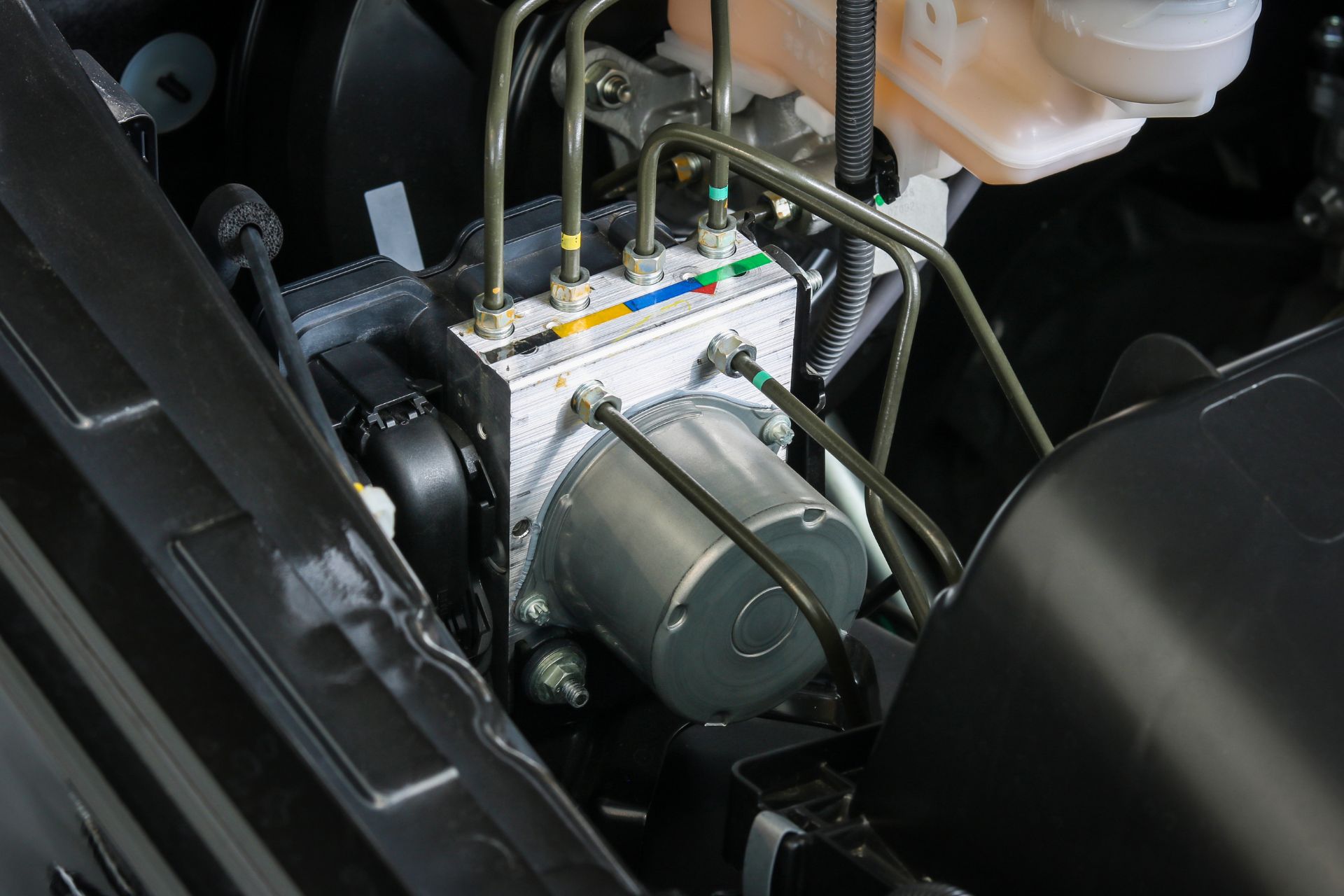
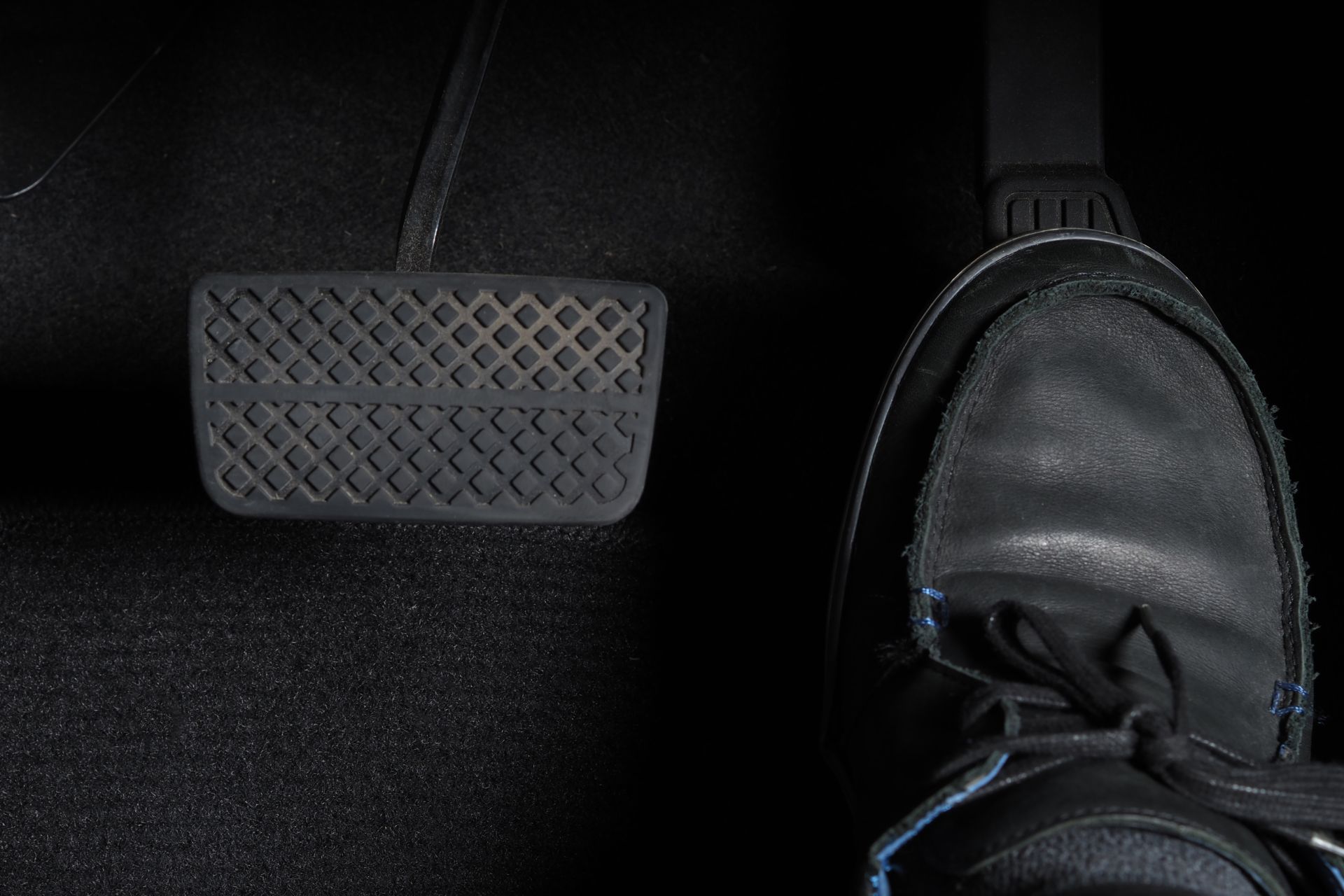
Drivers must practice slowing down smoothly, safely, and cautiously.
Here are four methods to decelerate a car, remembering to always check your mirrors before braking:
Release the accelerator
In controlled situations, the vehicle operator can avoid braking by letting go of the accelerator. For example, when approaching a roundabout, let go of the accelerator earlier and allow the car to cruise to a slow enough speed for the driver to time a smooth entrance.
Threshold braking
Threshold braking is a skill that the vehicle operator learns by becoming familiar with the brakes. The operator must also understand the brakes' lock point.
Once familiar with the brakes' lock point, apply firm pressure to ensure they do not exceed the threshold level.
If the brakes lock, release them and reapply the pressure.
Braking with ABS
If the car has ABS and needs to slow down, all drivers must hold down on the brake pedal. The vehicle will automatically let go of the brake when it notices the brakes are locking up.
Braking without ABS
Practice squeeze braking by placing the heel and toes on the floor and slowly applying pressure to the brake pedal to slow down. If the brakes lock up, a driver can quickly loosen up the tension and reapply when they regain control.
Other tips:
- Do not panic! Keep calm at all times.
- Ensure a tight grip on the steering wheel at all times.
- If the car starts skidding, turn into the skid, which will help regain control.
- Always be cautious of drivers behind.
Using this on Ontario roads — and on your road test
On Ontario roads this is an everyday craft: easing off early for the red light you saw a block ago on Kennedy Road, braking gently and straight before a snowy turn, using threshold braking only when a genuine emergency demands it. Examiners feel braking through the whole test — smooth deceleration reads as anticipation, while late, hard braking tells them you were surprised, and being surprised is the thing they are grading you against.
Questions drivers ask us
What is the smoothest way to slow down?
Release the accelerator early to let speed fall naturally, then apply the brake progressively — increasing pressure smoothly to a stop rather than stabbing at it.
What is threshold braking?
Braking as hard as possible without locking the wheels. It is an emergency technique; with ABS, the system pulses the brakes for you when you press firmly and hold.
How do I brake properly with ABS?
In an emergency, press the brake pedal firmly and hold it down, and steer where you want to go.