
Beginner Driver Education · Vehicle Handling
Understanding Vehicle Rollovers: Prevention & Safety
Driviology Road Safety Education Team
What this actually means for you
This is car control at its most basic, and it is worth understanding properly instead of just copying what an instructor tells you. Rollovers are highly dangerous but can be prevented by maintaining safe speeds, avoiding sudden maneuvers, staying focused, properly loading the vehicle, and using safety features. Get this right and the car starts doing what you expect, when you expect it — which is most of what confidence behind the wheel is built on.
Vehicle Rollovers: Safety Tips & Prevention Techniques
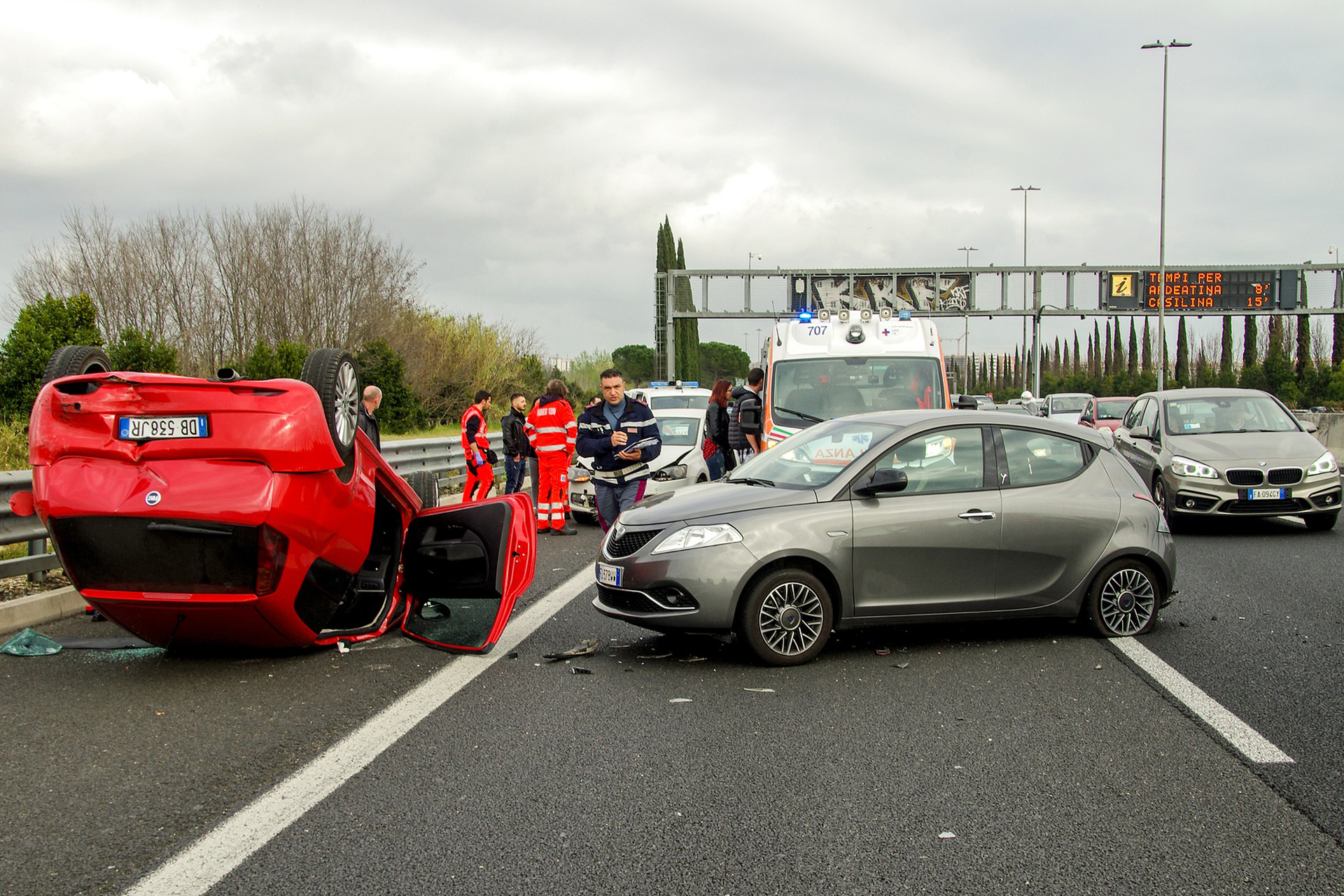
Rollovers occur when a vehicle flips onto its side or roof, often due to loss of control or collision. These accidents are hazardous. Here's how to understand and prevent them:
Causes:
- High-Speed Turns: Sharp turns at high speeds can cause vehicles to roll over, especially those with a high center of gravity, such as SUVs and trucks.
- Collision Impact: Side impacts can disrupt a vehicle's balance and cause it to tip over.
- Tripping: Hitting obstacles such as curbs or soft shoulders can trip a vehicle, leading to a rollover.
- Driver Behavior: Aggressive driving, including speeding and sudden maneuvers, increases the likelihood of rollovers.
Preventive Measures:
- Maintain Safe Speeds: Avoid speeding, particularly on curves and turns.
- Avoid Sudden Maneuvers: Make smooth, gradual turns to maintain vehicle stability.
- Stay Focused: Keep attention on the road and avoid distractions.
- Properly Load the Vehicle: Ensure cargo is evenly distributed to keep the center of gravity low.
- Use Safety Features: Utilize features like Electronic Stability Control (ESC) to help maintain control during sudden maneuvers.
Conclusion:
Rollovers are highly dangerous but can be prevented by maintaining safe speeds, avoiding sudden maneuvers, staying focused, properly loading the vehicle, and using safety features. By following these guidelines, drivers can reduce the risk of rollovers and ensure safer driving.
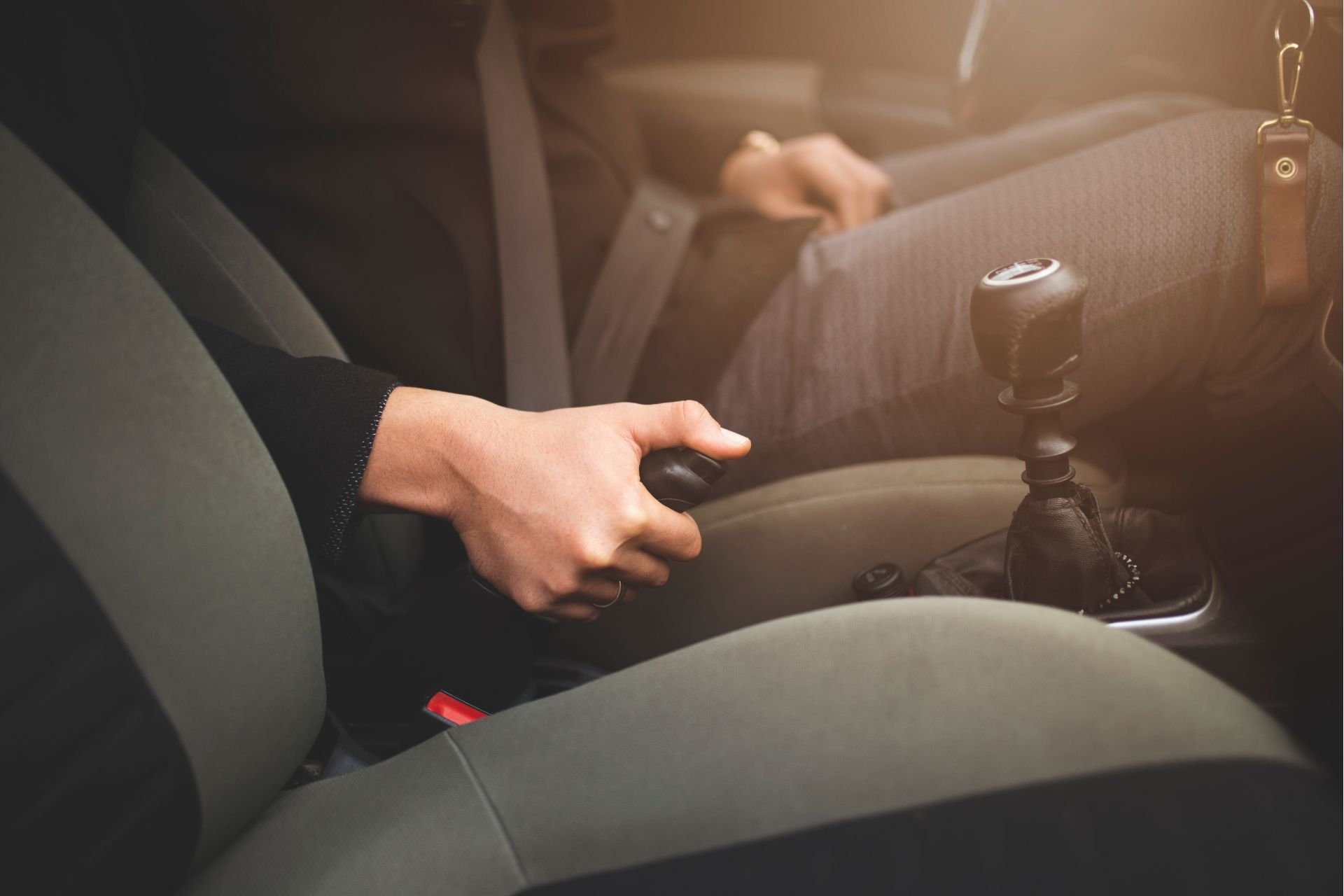
Basic Evasive Maneuvers:
Emergency Braking:
- Apply firm, steady pressure to the brake pedal to stop quickly without locking the wheels. ABS (Anti-lock Braking System) helps maintain control.
Steering Around Obstacles:
- Quick Turn: Steers sharply towards open space to avoid a collision. Practice fast, controlled turns to prevent oversteering.
- Avoid Overcorrection: Make smooth adjustments to the steering to maintain control.
Acceleration:
- Accelerate quickly to avoid a collision, such as when merging onto a highway or moving out of another vehicle's path.
Lane Changes:
- Check Surroundings: Ensure the adjacent lane is clear before changing lanes.
- Signal Intentions: Use turn signals to alert other drivers of your maneuver.
Conclusion:
Practicing collision avoidance techniques and basic evasive maneuvers enhances road safety. Stay alert, maintain safe distances, and be prepared to react quickly to sudden changes in traffic conditions to minimize the risk of accidents and ensure a safer driving environment for everyone.
Using this on Ontario roads — and on your road test
Ontario makes this real very quickly. A manoeuvre that feels easy on a dry Markham side street in June behaves differently on a slushy Scarborough road in February, and the difference is always in how smoothly you ask the car to work. Practise the technique slowly first — in an empty lot or a quiet street — until the movements are boring. On a G2 or G test, examiners are watching for exactly that: smooth, planned control, with no sudden grabs at the wheel or stabs at the pedals when something surprises you.
Questions drivers ask us
Can you explain vehicle rollovers in simple terms?
By following these guidelines, drivers can reduce the risk of rollovers and ensure safer driving.
How should I practise this as a new driver?
Start at low speed, in a quiet area, with your instructor or supervising driver beside you. Build the movement step by step until it feels routine, then use it in normal traffic. Rushing a new technique at full speed is how small errors turn into bad habits.
Will this come up on my G2 or G road test?
Very likely, yes. Handling is scored throughout the test — steering smoothness, speed control, braking, and how you position the car. Examiners are not looking for perfection; they are looking for calm, planned control, and for mistakes to be small and corrected early.