
Beginner Driver Education · Vehicle Handling
Optimize Your Seating Position for Vehicle Safety and Comfort
Driviology Road Safety Education Team
What this actually means for you
This is car control at its most basic, and it is worth understanding properly instead of just copying what an instructor tells you. The correct seating position is essential for several reasons, especially safety. It is also one of the things examiners feel in the first minute: smooth, deliberate car control reads as a safe driver before anything difficult has even happened.
Seating Position: Enhance Vehicle Safety and Comfort

The correct seating position is essential for several reasons, especially safety.
It will ensure the driver is comfortable, reaches all the safety features comfortably, and is kept safe in an accident.
Here are the points to remember;
Do not sit too close
It is imperative not to sit too close to the steering. In an accident, the driver may risk injury from the airbags.
Back support
Ensure the driver is sitting upright and that the back is supported.
Try not to be too inclined on the seat. The driver should be able to reach the wheel comfortably.
Headrest
Some people like to remove their headrests, which is a bad idea.
If rear-ended, the headrest protects the neck from whiplashing backward.
Headrests should be two inches or less from the back of the head but never more than 4 inches.
The driver wants the head to hit the headrest, not the neck, so ensure the head is at ear level with the headrest.
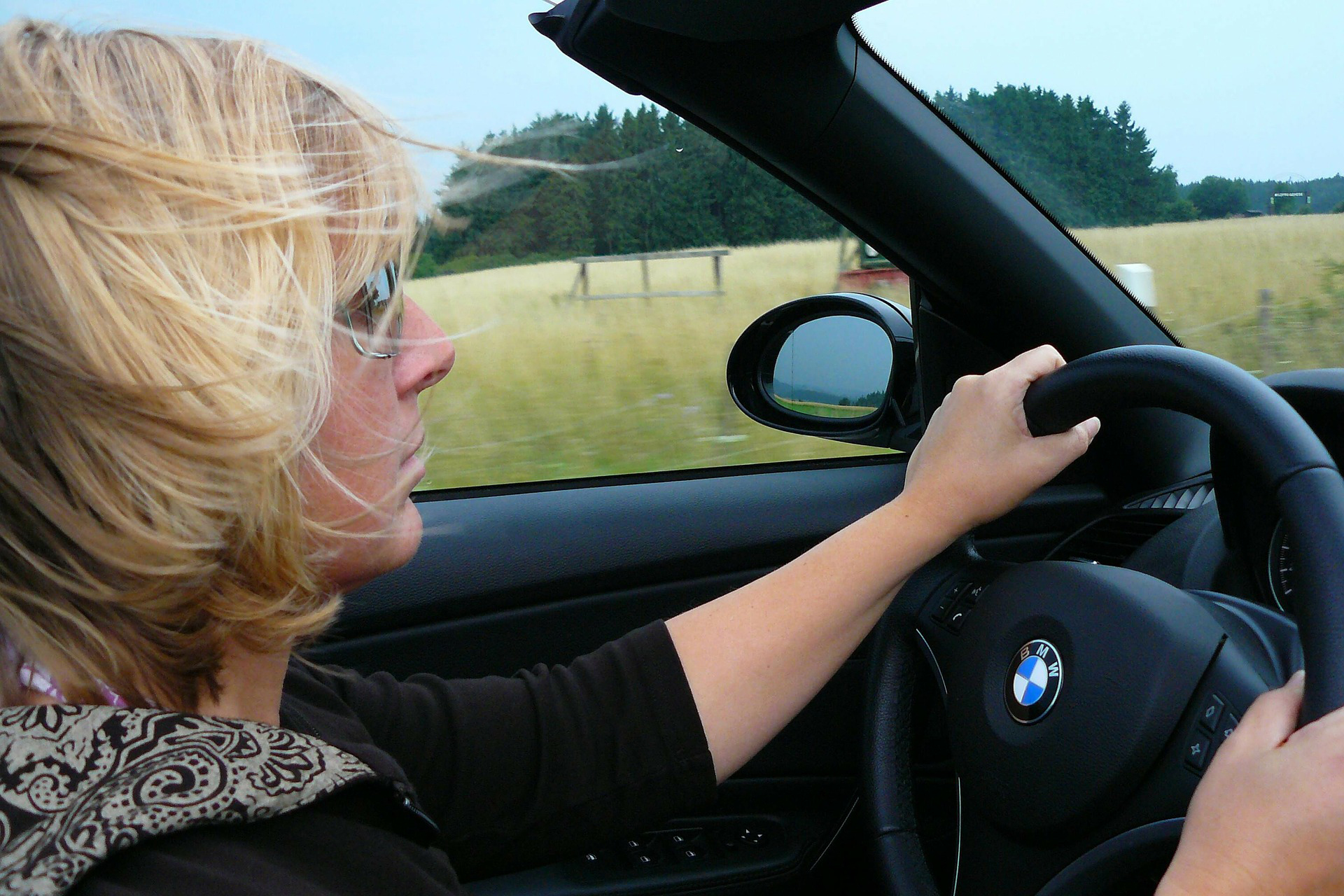
Height
Ensure the seat is high enough for the driver to see the road and gauges. The driver can raise the car seat so that the hips are at the same level as the knees. If needed, sit on a cushion.
Pedals and Gears
Ensure the driver can reach the brake and accelerator pedals and, in a manual car, the gear shifter. Slide the seats forward until the knees are slightly bent while using the pedals. The driver should not stretch too much, but they do not want to be too close.
Mirrors
Ensure all mirrors are adjusted so the vehicle operator can easily see behind.
Steering wheel
The driver can adjust the height and tilt of the steering wheel to ensure a clear view. Ensure the top of the steering wheel does not go higher than the top of the shoulder.
The seating position is a critical part of vehicle control. If the driver is not sitting correctly, they may not have a proper visual or access to the safety controls.
Following are the guidelines for setting up the seat to get the correct driving posture:
- Support your back
- Do not sit too close
- Get the right height
- Adjust the car seat position to the pedals
- The heel of the foot should be rest on the floor
- Lean back to a comfortable position
- Set your headrest
- Adjust the car steering wheel position
Using this on Ontario roads — and on your road test
In the GTA you will use this in tight plaza parking lots, steep underground garage ramps, and stop-and-go traffic on roads like Kennedy or Eglinton where space is always being negotiated. Break the skill into small pieces and master each one at low speed, because low speed is where examiners watch it most closely too — most handling marks on a road test are won or lost below 30 km/h, in parking lots and quiet side streets, long before the highway portion starts.
Questions drivers ask us
Can you explain your seating position for vehicle safety and comfort in simple terms?
Ensure all mirrors are adjusted so the vehicle operator can easily see behind.
Do not sit too close?
It is imperative not to sit too close to the steering.
Will this come up on my G2 or G road test?
Very likely, yes. Handling is scored throughout the test — steering smoothness, speed control, braking, and how you position the car. Examiners are not looking for perfection; they are looking for calm, planned control, and for mistakes to be small and corrected early.
What should new drivers know about back support?
Ensure the driver is sitting upright and that the back is supported.