
Beginner Driver Education · Vehicle Handling
Urban and Rural Driving: Safety Tips and Guidelines
Driviology Road Safety Education Team
What this actually means for you
Most new drivers learn this by feel after a few lessons. Understanding it on paper first makes those lessons click much faster. Driving in urban and rural areas is much slower-paced than highway driving. It is also one of the things examiners feel in the first minute: smooth, deliberate car control reads as a safe driver before anything difficult has even happened.
Urban and Rural Driving Safety Tips | Vehicle Handling
Driving in urban and rural areas is much slower-paced than highway driving. These areas still pose unique hazards that the driver must know.
High speeds
Be careful not to exceed local speed limits. Seeing an open, broad section of the road is not an invitation to speed. The driver never knows what awaits them at the end of the road.
Blind curves
Rural roads will usually have a series of twists and turns. Be aware of these, slow down, and approach them with caution.
Obstacles on the road
In rural areas, debris or unkempt roads are likely. Drivers must always be aware of this and watch out for it.
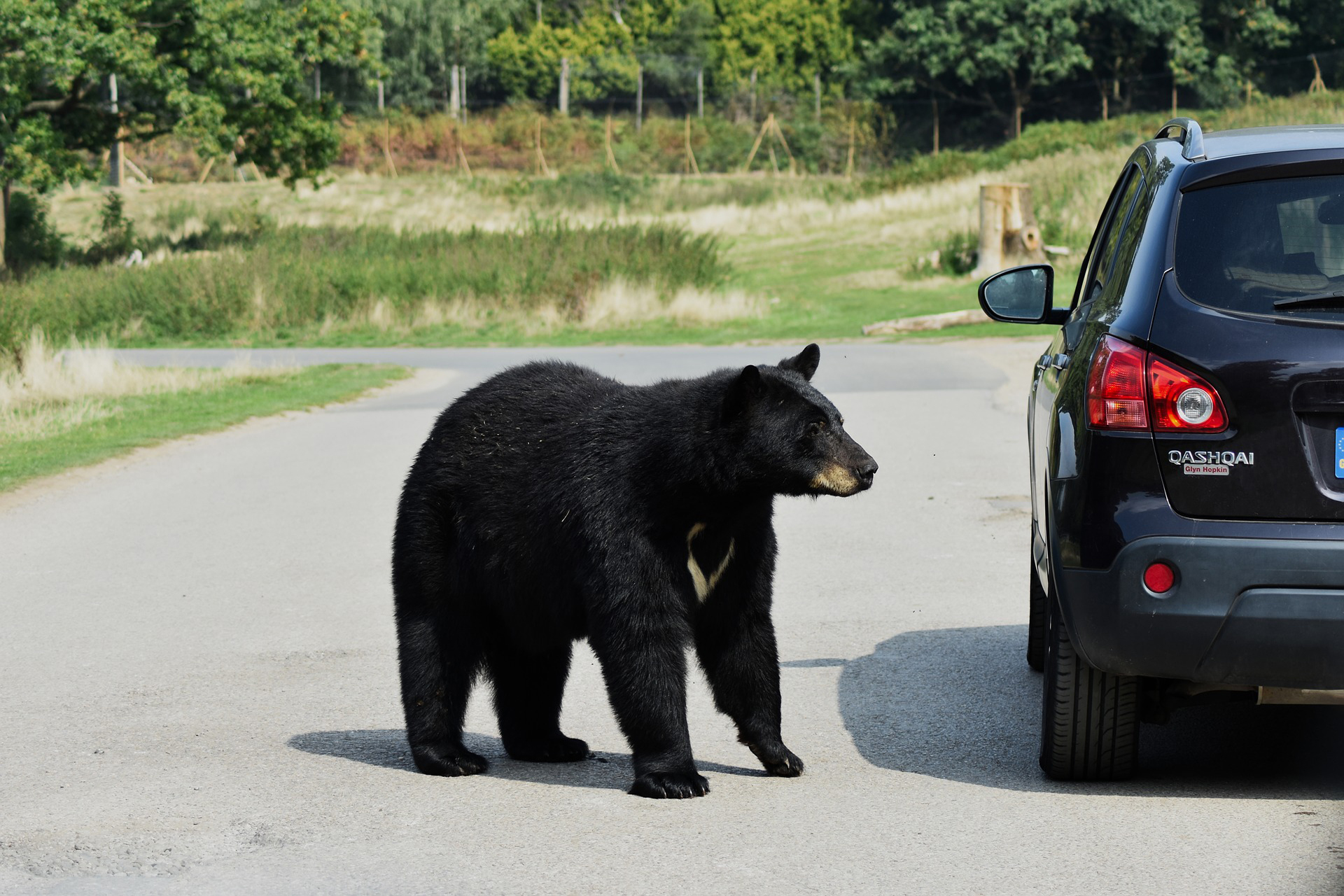
Wildlife
Never assume that wildlife will stop for the driver. Slow down if there are any animals on the road.
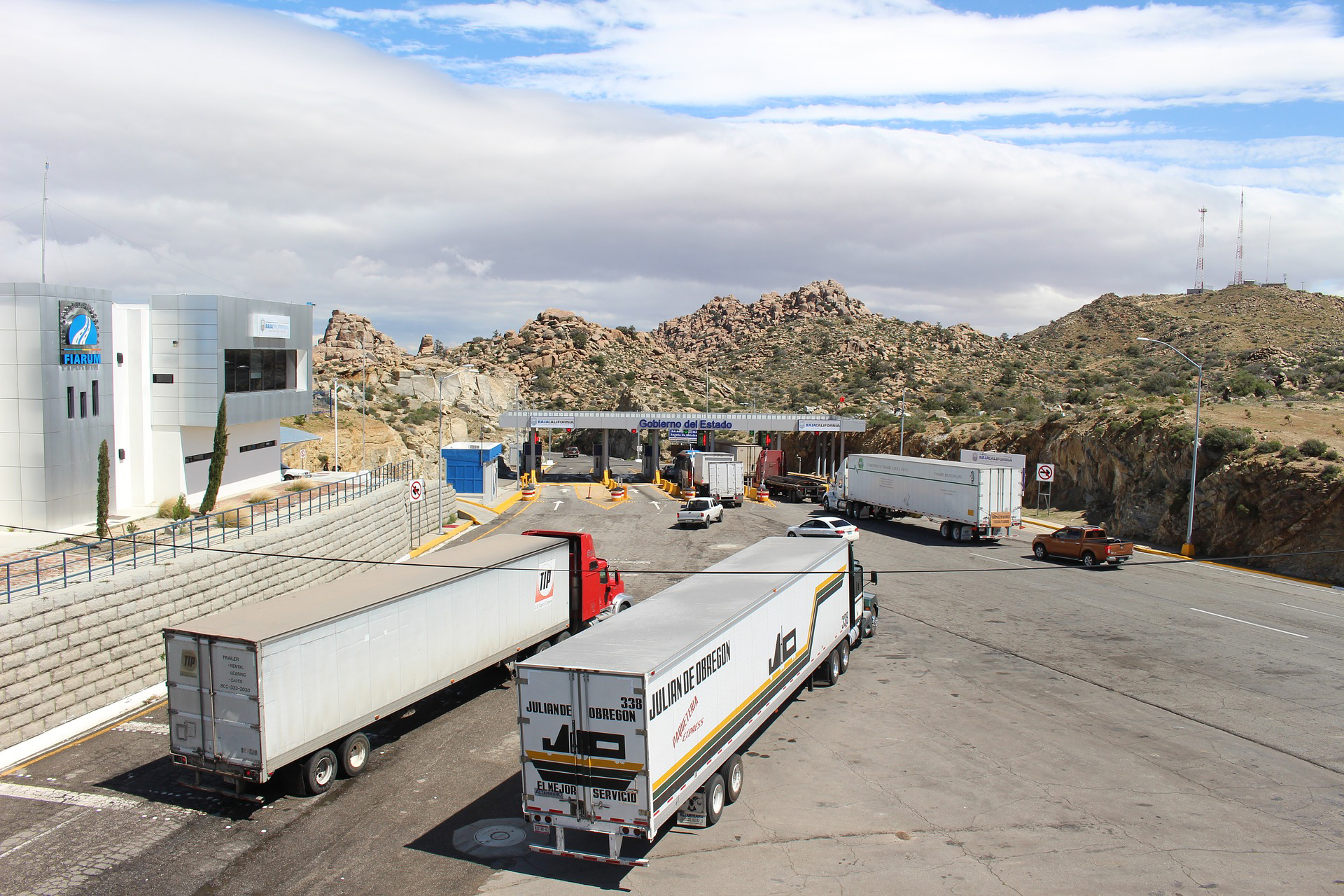
Heavy traffic
Heavy congestion may occur in urban areas. Be aware of these situations to avoid minor accidents with surrounding vehicles.
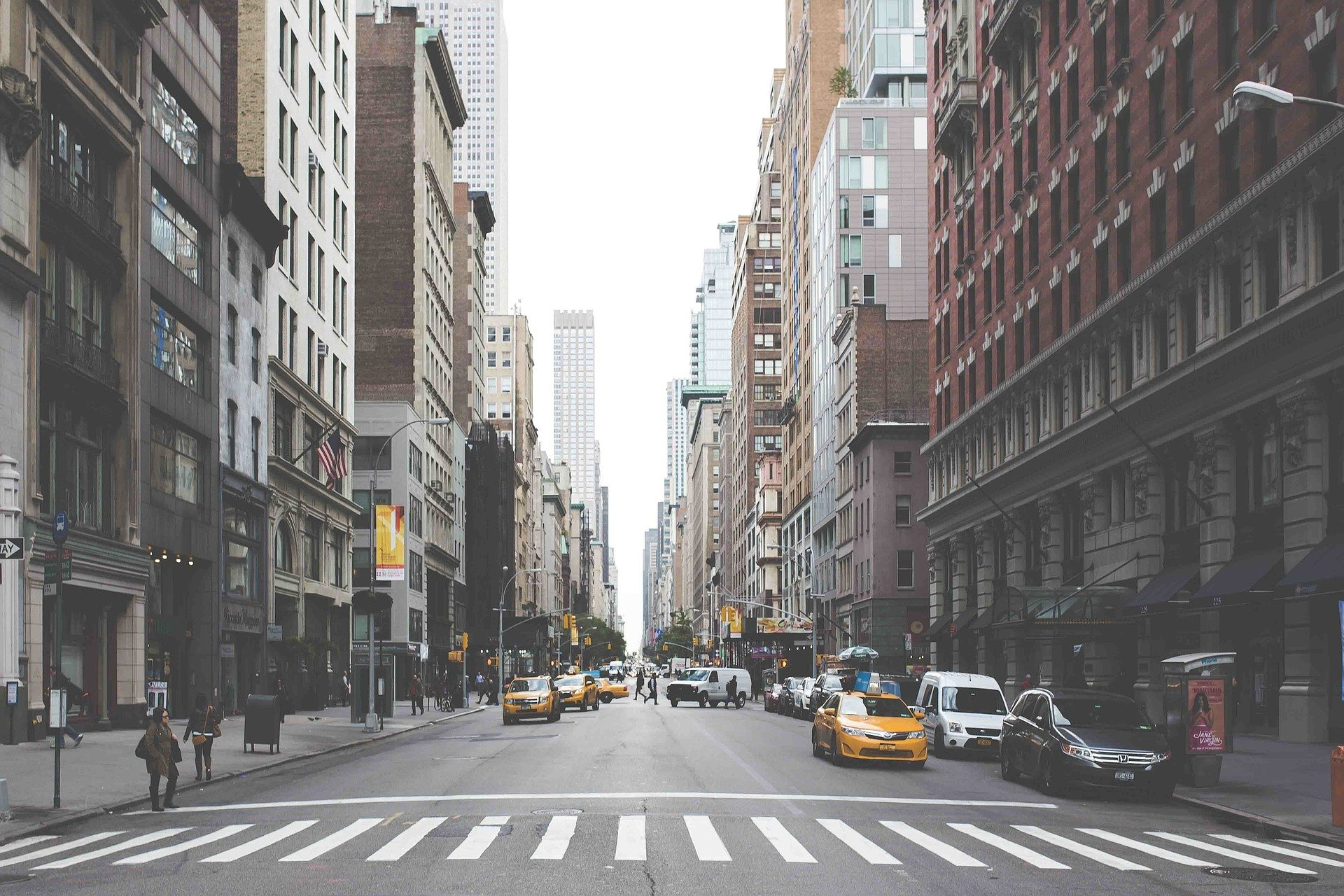
Pedestrians and bikers
In urban areas, the driver must look out for pedestrians and bikers. The drivers have to learn and practice how to share the road.
Did you know? Over
non-fatal collisions with wildlife occur each year.
Distribution of Collisions by Location
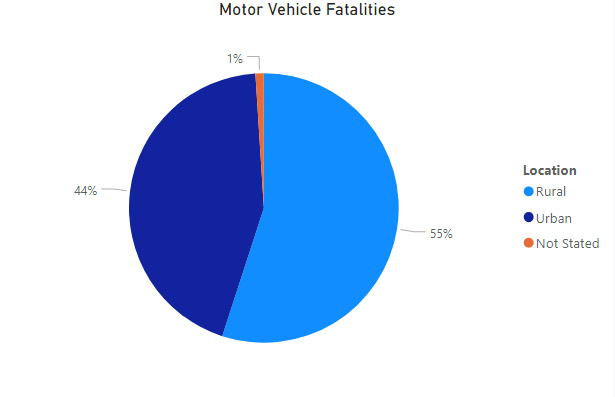
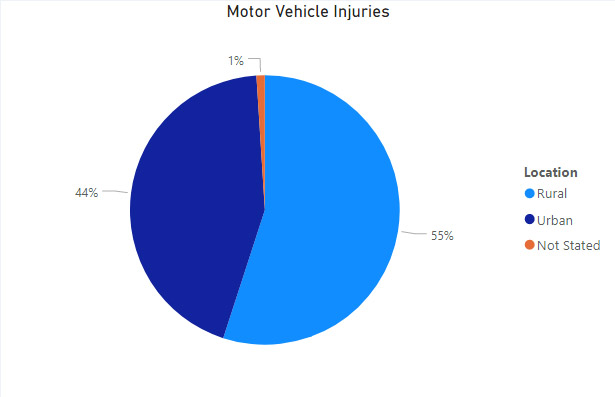
Source: https://tests.ca/driving-statistics/
The following section explains how to drive in school zones and tractor driving in Ontario:
Driving in School Zones:
Observe speed limits: School zones have reduced speed limits, usually 40 km/h or lower. It is important to drive at or below the posted speed limit and be aware of any flashing lights or signs indicating when school is in session.
Look out for children: Be aware that children may be walking, cycling or crossing the road near the school. Be prepared to stop quickly if necessary, and be mindful that children may not always follow the rules of the road.
Observe parking restrictions: School zones may have restricted parking or stopping areas to ensure children can safely enter and exit the school. Be aware of any signs or markings indicating parking or stopping is prohibited.
Watch for school buses: Be aware that buses frequently stop in school zones to pick up or drop off children. You must follow all the rules when passing the school bus. Be prepared to stop and wait until the bus has moved on before proceeding.
Tractor Driving in Ontario:
Observe speed limits: Tractors are often slower than other vehicles on the road, so driving safely and appropriately is vital for the conditions. Be aware of any speed limits posted for tractors and other slow-moving vehicles.
Be visible: Tractors are often challenging to see, especially at night or in low-light conditions. Ensure your tractor has proper lighting and reflective markings to make it more visible to other drivers.
Share the road: Be aware that other drivers may not be familiar with how tractors operate or the limitations of these vehicles. Be prepared to pull over and let other cars pass if necessary. Use hand signals or other communication methods to let other drivers know your intentions.
Follow the rules of the road: Tractors are subject to the same rules as other vehicles, including traffic signals, stop signs, and other road signs. Be sure to follow these rules and be aware of any restrictions on tractor use on certain roads or areas.
Always driving cautiously and being aware of your surroundings, whether driving in a school zone or operating a tractor on the road, is essential. By following the rules of the road and being aware of potential hazards, you can help ensure safe and responsible driving.
Using this on Ontario roads — and on your road test
In the GTA you will use this in tight plaza parking lots, steep underground garage ramps, and stop-and-go traffic on roads like Kennedy or Eglinton where space is always being negotiated. Break the skill into small pieces and master each one at low speed, because low speed is where examiners watch it most closely too — most handling marks on a road test are won or lost below 30 km/h, in parking lots and quiet side streets, long before the highway portion starts.
Questions drivers ask us
Can you explain urban and rural driving in simple terms?
Rural roads will usually have a series of twists and turns.
What should new drivers know about blind curves?
Be aware of these, slow down, and approach them with caution.
Will this come up on my G2 or G road test?
Very likely, yes. Handling is scored throughout the test — steering smoothness, speed control, braking, and how you position the car. Examiners are not looking for perfection; they are looking for calm, planned control, and for mistakes to be small and corrected early.
What should new drivers know about obstacles on the road?
In rural areas, debris or unkempt roads are likely. Drivers must always be aware of this and watch out for it.