
Beginner Driver Education · Vehicle Handling
Parking Rules and Regulations | Vehicle Handling
Driviology Road Safety Education Team
What this actually means for you
Most new drivers learn this by feel after a few lessons. Understanding it on paper first makes those lessons click much faster. Be aware that not all parking by-laws are posted on signs. Get this right and the car starts doing what you expect, when you expect it — which is most of what confidence behind the wheel is built on.
Parking Guidelines | Illegal Parking & Road Safety
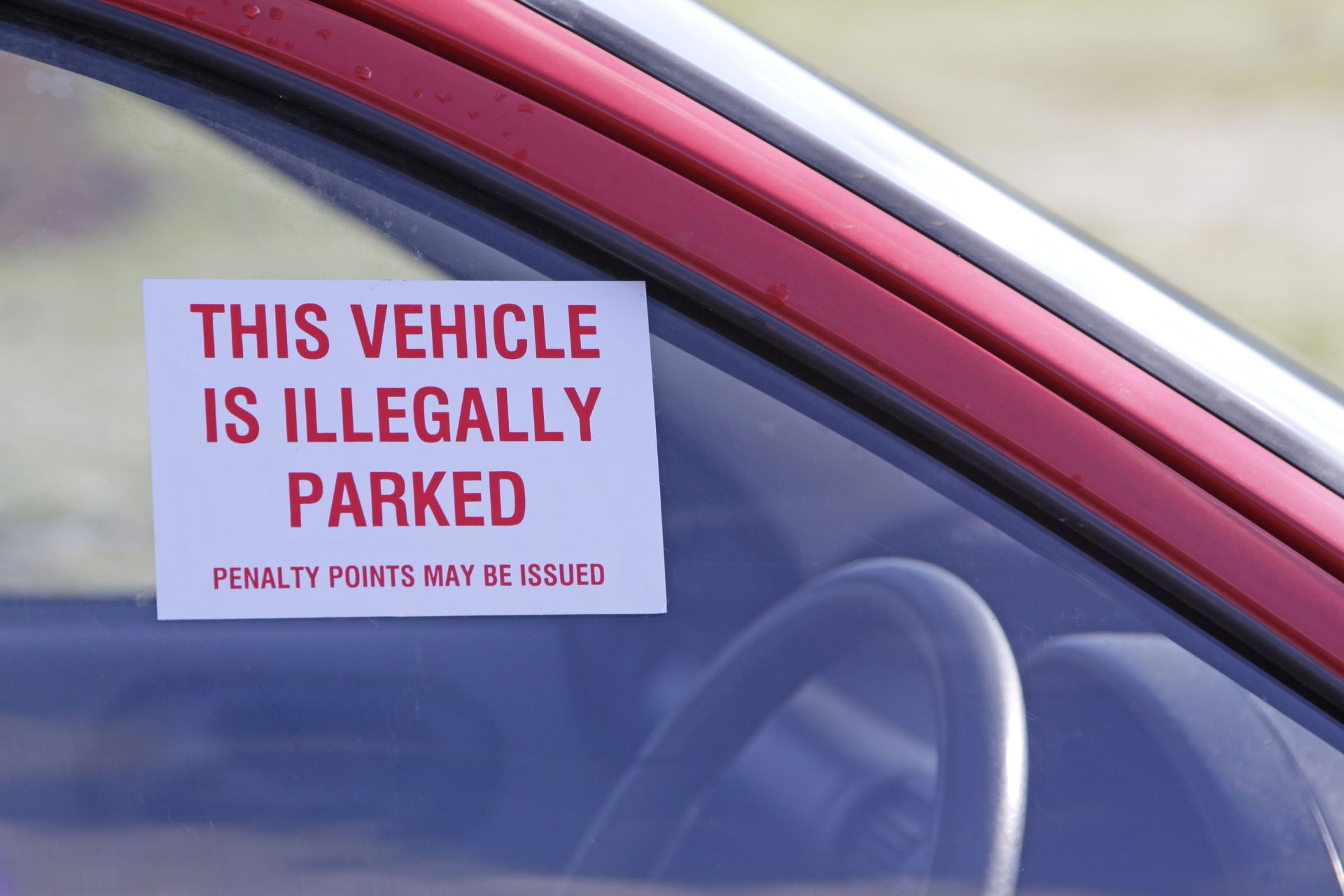
Illegal Parking:
Illegal parking regulations vary across municipalities; parking rules can change from road to road and place to place. Always watch for and obey signs restricting stopping, standing, or parking. Be aware that not all parking by-laws are posted on signs. Here are some basic parking rules:
- Travelled Part of the Road: Never park on the travelled part of a road. If you must stop, drive off the road onto the shoulder.
- Visibility: Never park on a curve, hill, or anywhere you do not have a clear view for at least 125 metres in both directions.
- Blocking Access: Do not park where you will block a parked vehicle, a sidewalk, a crosswalk, a pedestrian crossing, or a road entrance.
- Fire Hydrants and Public Spaces: Do not park within three metres of a fire hydrant. Avoid parking on or within 100 metres of a bridge or within six metres of a public entrance to a hotel, theatre, or public hall when open to the public.
- Intersections and Railway Crossings: Do not park within nine metres of an intersection or 15 metres if traffic lights control it. Do not park within 15 metres of the nearest rail of a level railway crossing.
- Traffic and Snow Clearing: Do not park where you will interfere with traffic or snow-clearing operations.
- Opening Vehicle Doors: Never open the door of your parked vehicle without first ensuring it is safe. Use the "Dutch reach" method by opening the driver’s door with your right hand and forcing a shoulder check to avoid endangering cyclists or other traffic. Keep the door open only long enough to load or unload passengers.
By following these guidelines, you can ensure that you park legally and safely, avoid fines, and contribute to a smoother traffic flow.
Using this on Ontario roads — and on your road test
Ontario makes this real very quickly. A manoeuvre that feels easy on a dry Markham side street in June behaves differently on a slushy Scarborough road in February, and the difference is always in how smoothly you ask the car to work. Practise the technique slowly first — in an empty lot or a quiet street — until the movements are boring. On a G2 or G test, examiners are watching for exactly that: smooth, planned control, with no sudden grabs at the wheel or stabs at the pedals when something surprises you.
Questions drivers ask us
Can you explain parking rules and regulations in simple terms?
Illegal parking regulations vary across municipalities; parking rules can change from road to road and place to place.
What should new drivers know about illegal parking?
Always watch for and obey signs restricting stopping, standing, or parking.
Will this come up on my G2 or G road test?
Very likely, yes. Handling is scored throughout the test — steering smoothness, speed control, braking, and how you position the car. Examiners are not looking for perfection; they are looking for calm, planned control, and for mistakes to be small and corrected early.