
Beginner Driver Education · Vehicle Handling
Mastering Speed Control for Safe and Efficient Driving
Driviology Road Safety Education Team
What this actually means for you
This is car control at its most basic, and it is worth understanding properly instead of just copying what an instructor tells you. Controlling and maintaining speed is crucial for safe and efficient driving. Get this right and the car starts doing what you expect, when you expect it — which is most of what confidence behind the wheel is built on.
Speed Control: Enhance Your Driving Safety and Efficiency
Controlling and maintaining speed is crucial for safe and efficient driving. It is essential in various driving conditions, such as heavy traffic, merging into new lanes, or driving on inclines.

Importance of Speed Control:
- Traffic Management: Consistent speed helps navigate traffic smoothly and reduces accident risk.
- Lane Merging: Ensures safe merging by matching the speed of ongoing traffic.
- Inclines: Prevents losing momentum uphill or gaining excessive speed downhill.
Practicing Speed Control:
Quiet Roads:
- Monitor Speed: Regularly check the speedometer.
- Smooth Adjustments: Use gentle braking and acceleration to maintain a steady speed.
Cruise Control on Highways:
- Set Desired Speed: Reach the desired speed on a highway.
- Activate: Turn on cruise control to maintain this speed automatically.
- Adjust as Needed: Use cruise control settings to tweak speed if necessary.
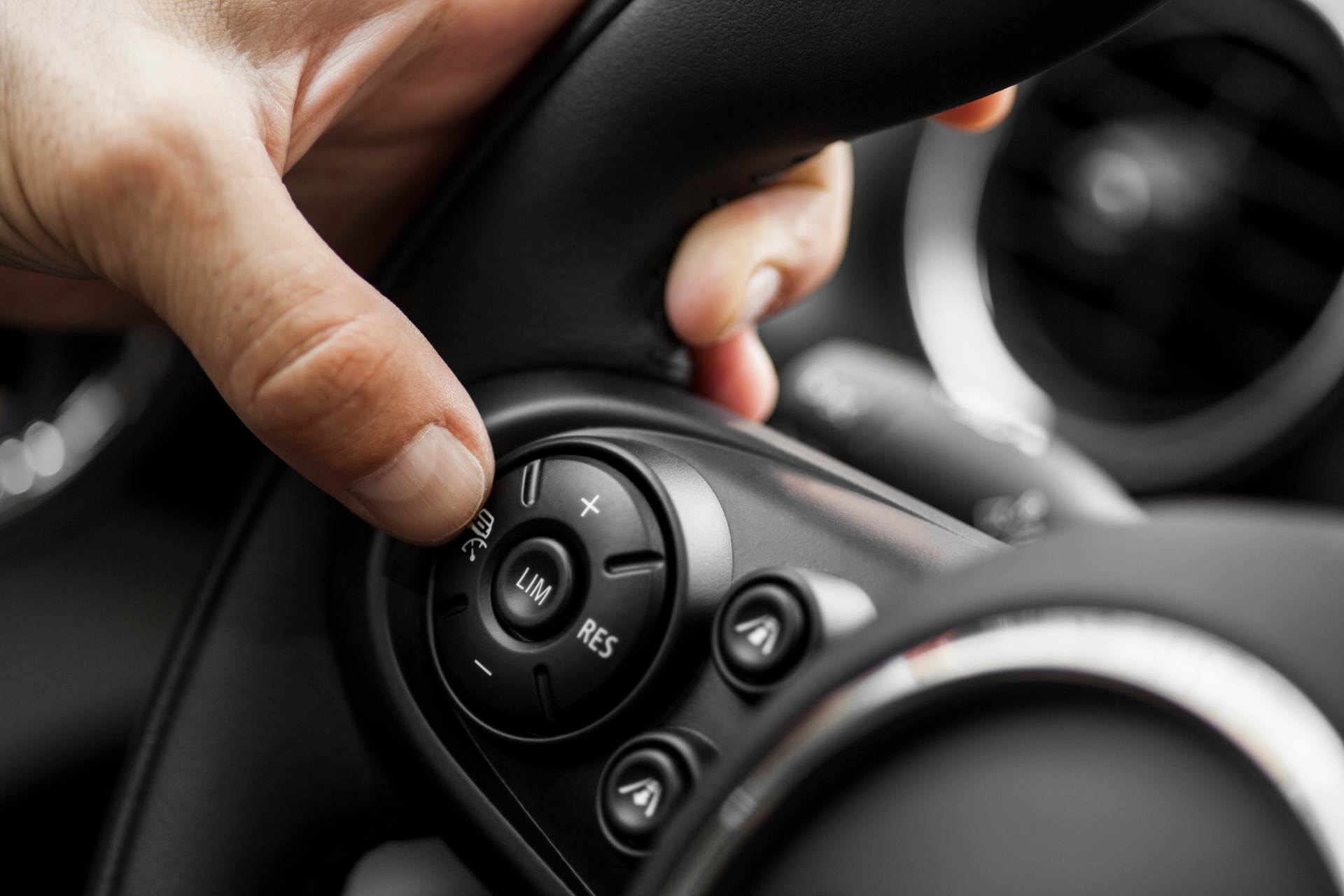
Using Cruise Control:
- Reach Desired Speed: Accelerate to the target speed.
- Activate Cruise Control: Use the designated button to maintain speed.
- Adjust and Disengage: Modify speed settings if needed and be ready to disengage by braking or turning off the system.
By practicing these techniques and effectively using cruise control, drivers can ensure a safer and more comfortable driving experience.
Using this on Ontario roads — and on your road test
Ontario makes this real very quickly. A manoeuvre that feels easy on a dry Markham side street in June behaves differently on a slushy Scarborough road in February, and the difference is always in how smoothly you ask the car to work. Practise the technique slowly first — in an empty lot or a quiet street — until the movements are boring. On a G2 or G test, examiners are watching for exactly that: smooth, planned control, with no sudden grabs at the wheel or stabs at the pedals when something surprises you.
Questions drivers ask us
Can you explain speed control for safe and efficient driving in simple terms?
It is essential in various driving conditions, such as heavy traffic, merging into new lanes, or driving on inclines.
What should new drivers know about using cruise control?
By practicing these techniques and effectively using cruise control, drivers can ensure a safer and more comfortable driving experience.
Will this come up on my G2 or G road test?
Very likely, yes. Handling is scored throughout the test — steering smoothness, speed control, braking, and how you position the car. Examiners are not looking for perfection; they are looking for calm, planned control, and for mistakes to be small and corrected early.